Some journeys begin with a suitcase.
Ours began with a shovel, a circle of strangers, and a patch of land waiting to become a story.
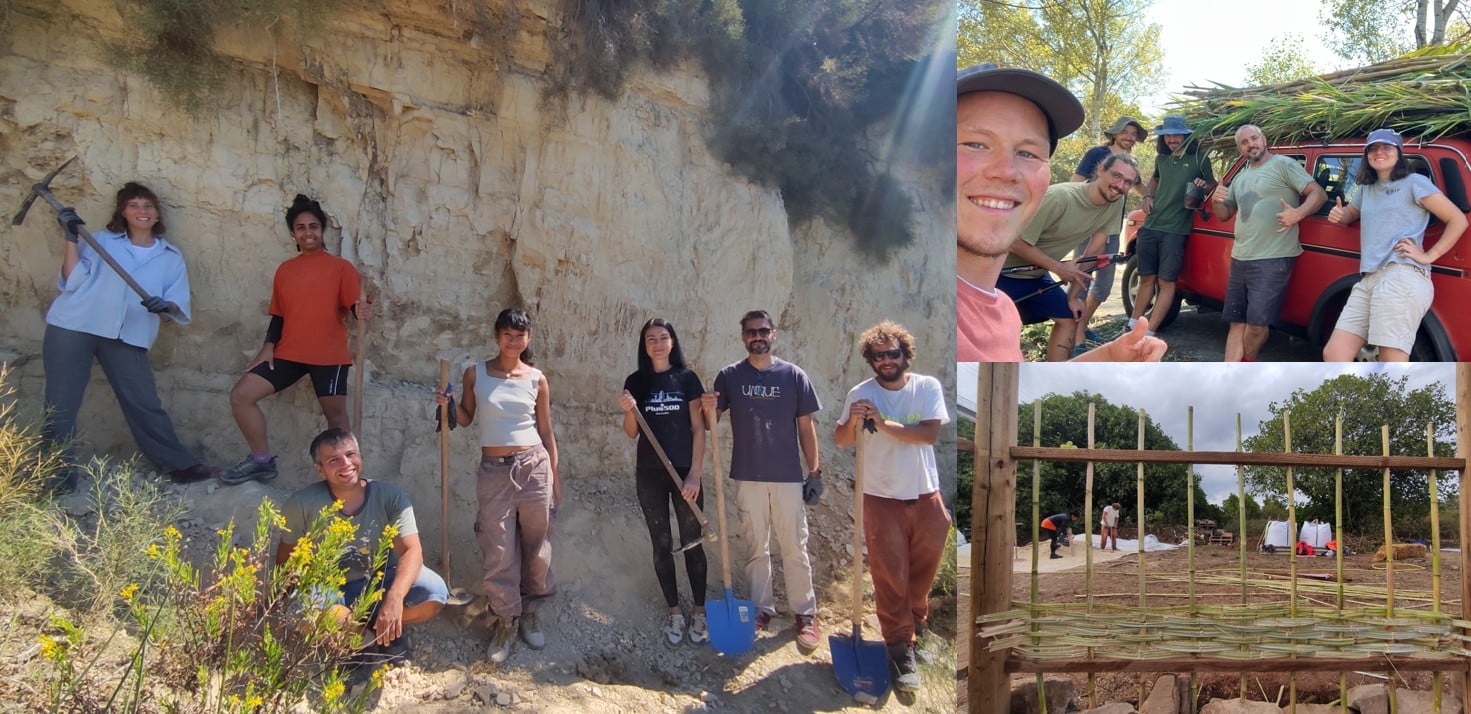
When we arrived in Megalopoli for our Erasmus+ adventure, none of us knew exactly what to expect. But we quickly learned that this was not a training course in the traditional sense. There were no desks, no whiteboards, no long PowerPoint presentations. Instead, our classroom was open sky; our textbooks were bamboo poles, handfuls of clay, and the wisdom of the land itself.
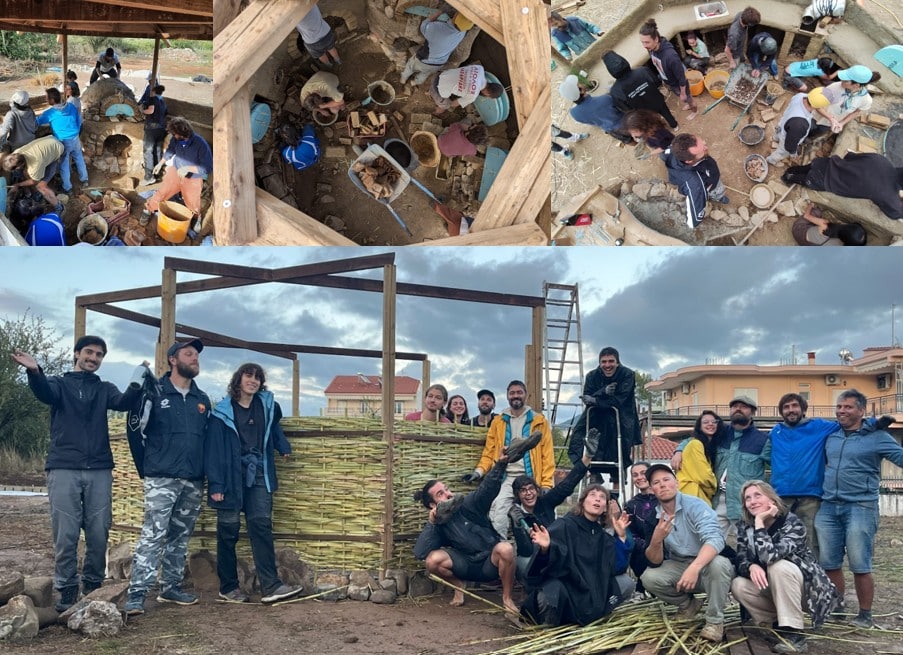
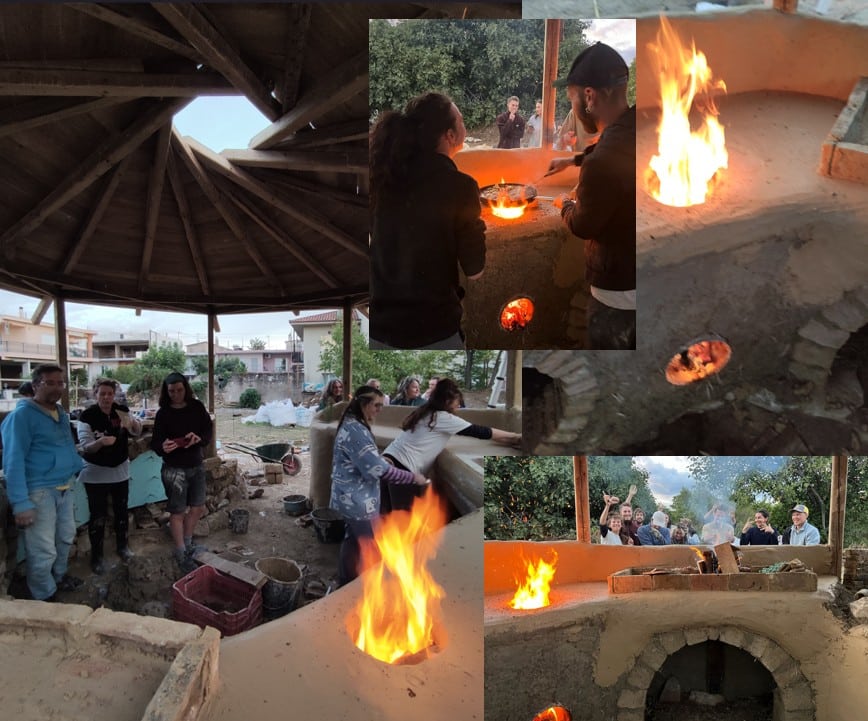
From the first day, we dove into experiential and outdoor learning—the kind that stains your clothes, fills your lungs with fresh air, and awakens a sense of connection you didn’t know you were missing. We mixed adobe with our feet, sculpted cob with our hands, and experimented with natural building methods that felt both ancient and revolutionary. Someone lit their first rocket stove; someone else designed their first permaculture garden bed. Slowly, the barren space began transforming into a living prototype of an eco-village, and so did we.
But it wasn’t only the structures that were being built.
In the shade of fruit and pine trees, we practiced non-violent communication and sociocracy, learning to listen in ways that made every voice matter. We shared stories, hesitations, and laughter in circles that felt strangely safe for a group of people who had met only days before. Creative facilitation sessions invited us to re-imagine leadership—not as someone standing above others, but as a role shared among many, like roots supporting the same tree.
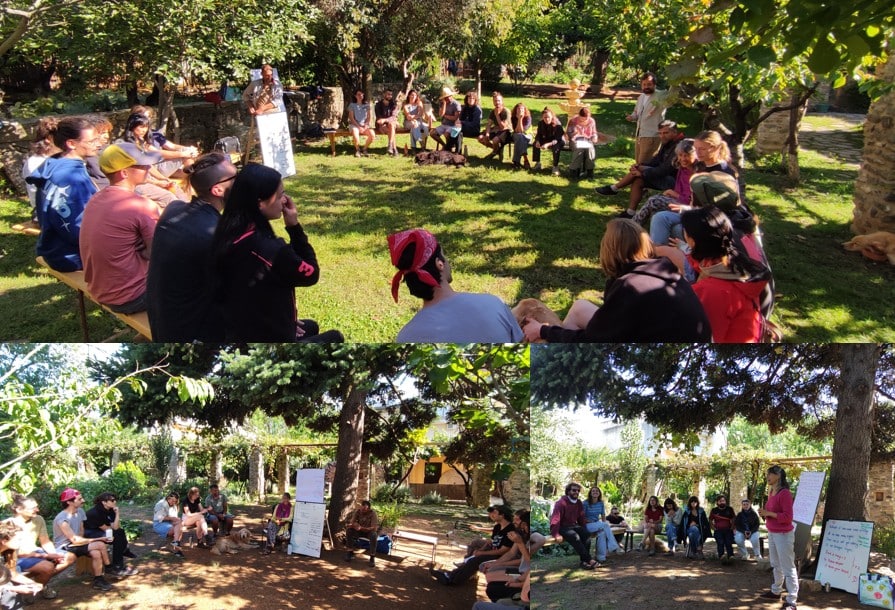
As our skills grew, so did our sense of belonging. The concept of ecological interdependence no longer felt abstract; it was under our fingernails, in our shared meals, in the rhythm of working together. We were not just learning about sustainability; we were living it, breath by breath.
One of the most beautiful chapters of this experience was our collective contribution to the Green Transition of Megalopoli. What began as scattered materials slowly became a functional outdoor community kitchen, built by many hands and many languages. Around it, we planted the beginnings of a food forest, imagining how future visitors would harvest berries or herbs long after we returned home. We met the local community, exchanged stories, and discovered that creativity can bridge cultures faster than words.
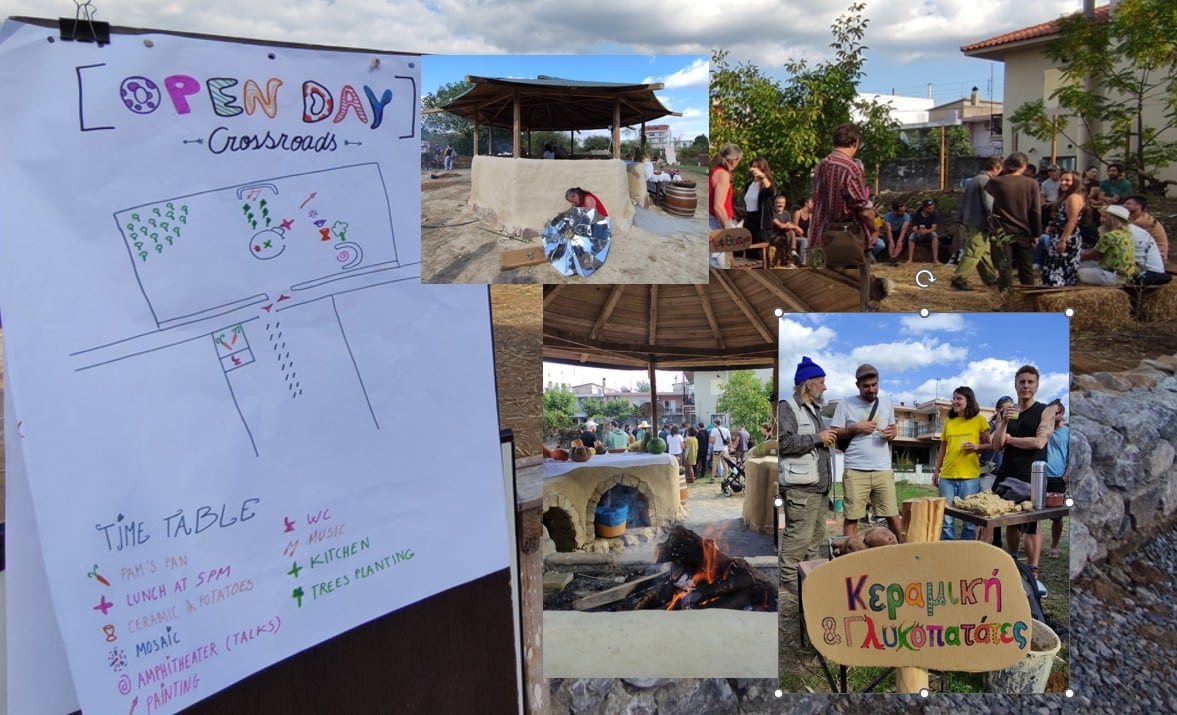
By the end of the course, the outcomes were far greater than a list of competences—though we certainly gained plenty: ecological construction, regenerative land management, facilitation, teamwork, and the ability to apply permaculture ethics and sociocratic tools in real youth and community projects. More importantly, each of us carried home something invisible yet powerful: the confidence that we can shape the places we live in.
We returned with concrete skills, but also with new friendships, new partnerships, and burning ideas for local initiatives promoting climate resilience and inclusive community development. The Crossroads eco-village kept the structures we built, but the experience built something in us too.
This Erasmus+ project reminded us that learning can be an adventure, that community can form in a heartbeat, and that sustainability is not just a goal but a practice—one made of soil, cooperation, imagination, and hope.
And above all, it showed that when people from different corners of Europe come together with open hearts and dirty hands… the future becomes something we can build.
Together.