A Living Regenerative Center in the Heart of Sierra Alhamilla, Almería
Coordinates: 37.04238°N, 2.18796°W
Elevation: 525-600m above sea level
Property Size: 30 hectares
Climate: Mediterranean semi-arid (BSk)
Annual Visitors: 6,000+ (2,000 adults, 4,000 children)
Founded: 1999 by Juan Segura
Website: oasisalhamam.com
Welcome to Oasis Al Hamam
In the rugged beauty of Sierra Alhamilla, where Europe’s driest landscape meets ancient wisdom and modern vision, there exists a place unlike any other. Oasis Al Hamam is not merely an eco-center or retreat space—it is a living demonstration of what becomes possible when permaculture principles, community commitment, and deep respect for both land and people converge over decades of patient, dedicated work.
For 26 years, this 30-hectare property has evolved from abandoned farmland into a thriving ecosystem supporting wellness programs, educational initiatives, regenerative agriculture, children’s environmental education, animal sanctuary, traditional healing practices, and a vibrant international community of volunteers, visitors, and long-term residents.
This is the story of Oasis Al Hamam—a place where every morning begins with collective intention, where children learn to care for animals, where ancient bathing traditions meet permaculture innovation, and where the boundaries between visitor and family blur into something deeper: regenerative community in action.
The Land: Where Ancient Springs Meet Modern Vision
Cortijo los Baños: The Baths of Almería
The name “Cortijo los Baños”—Farmhouse of the Baths—carries centuries of history. This land sits atop sulfide springs that have drawn people for generations, first for their healing properties, then for agricultural potential. The thermal waters emerging from underground fissures in the Alpujarride complex limestone bedrock tell stories of geological time stretching back millions of years.
When Neil and Esther arrived in 1999, they found abandoned agricultural terraces, degraded soils, overgrazed hillsides, and a landscape exhausted by extractive practices. But they also found potential: elevation gradients enabling gravity-fed water systems, existing springs and river access, south-facing slopes maximizing solar exposure, natural amphitheater topography creating diverse microclimates, and most importantly—26 years ahead to let permaculture work its regenerative magic.
Climate Reality: Thriving in Aridity
Almería holds the distinction of being Europe’s driest region. This isn’t challenge—it’s identity. Oasis Al Hamam demonstrates what regenerative design can achieve in conditions that most would consider impossible:
| Climate Factor | Reality |
|---|---|
| Annual Rainfall | 200-400mm (mostly Oct-March) |
| Summer Drought | 120+ consecutive days minimal rain |
| Temperature Range | -2°C (winter) to 45°C (summer) |
| Evapotranspiration | 1,100+ mm/year |
Morning Ritual: Darshan in the Stone Circle
Daily Gathering, Collective Intention
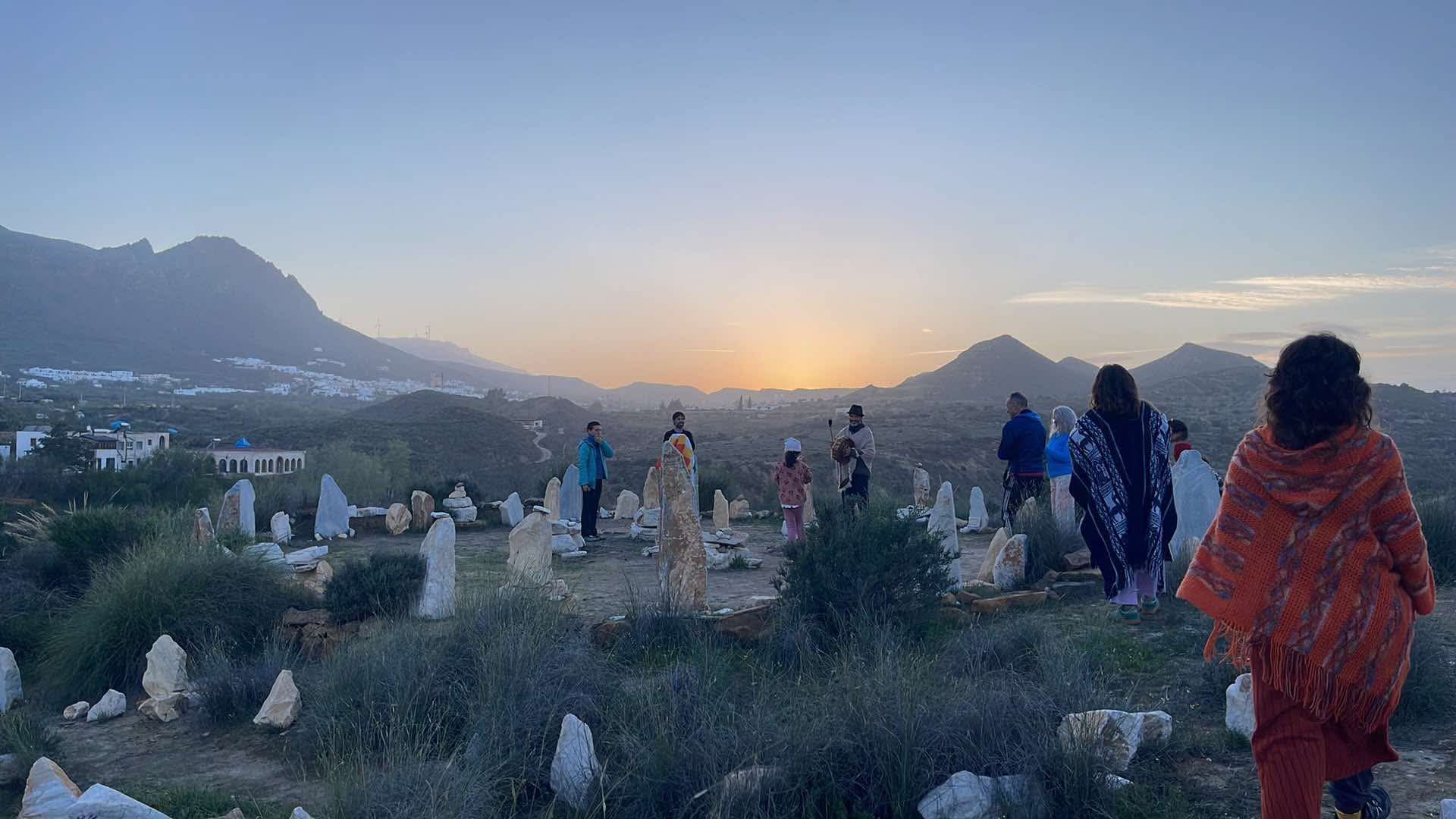
Every morning at Oasis Al Hamam begins in the same sacred way: the entire community—residents, volunteers, long-term visitors, staff—gathers in the Stone Circle for Darshan. This isn’t merely a meeting; it’s a ceremony of collective intention-setting, a moment of connection before the day’s work begins.
What is Darshan?
Darshan (Sanskrit: दर्शन) means “seeing” or “vision”—a moment of presence, connection, and shared purpose. At Oasis Al Hamam, the morning Darshan serves multiple functions:
- Community Connection: Everyone sees and is seen—no one begins work invisible or isolated
- Task Coordination: The day’s work is explained, tasks distributed, teams formed
- Information Sharing: Announcements, changes, celebrations, challenges—all communicated collectively
- Intention Setting: A moment of mindfulness before physical labor begins
- Inclusion: New arrivals are welcomed, departing friends acknowledged, everyone has voice
The Stone Circle: Sacred Center
The Stone Circle itself is more than meeting place—it’s the spiritual heart of Oasis Al Hamam. Carefully constructed stones create a ceremonial space that honors both ancient traditions and contemporary community needs. Positioned to catch morning sun, sheltered from harsh winds, surrounded by olive trees and aromatic herbs, the circle embodies permaculture’s Zone 0 principle: the sacred center from which all other zones radiate.
Here, visitors from dozens of countries have shared their stories. Here, volunteers have cried and laughed and found belonging. Here, difficult decisions have been made transparently. Here, the mundane task of coordinating garden work becomes ritual, and work itself becomes meditation.
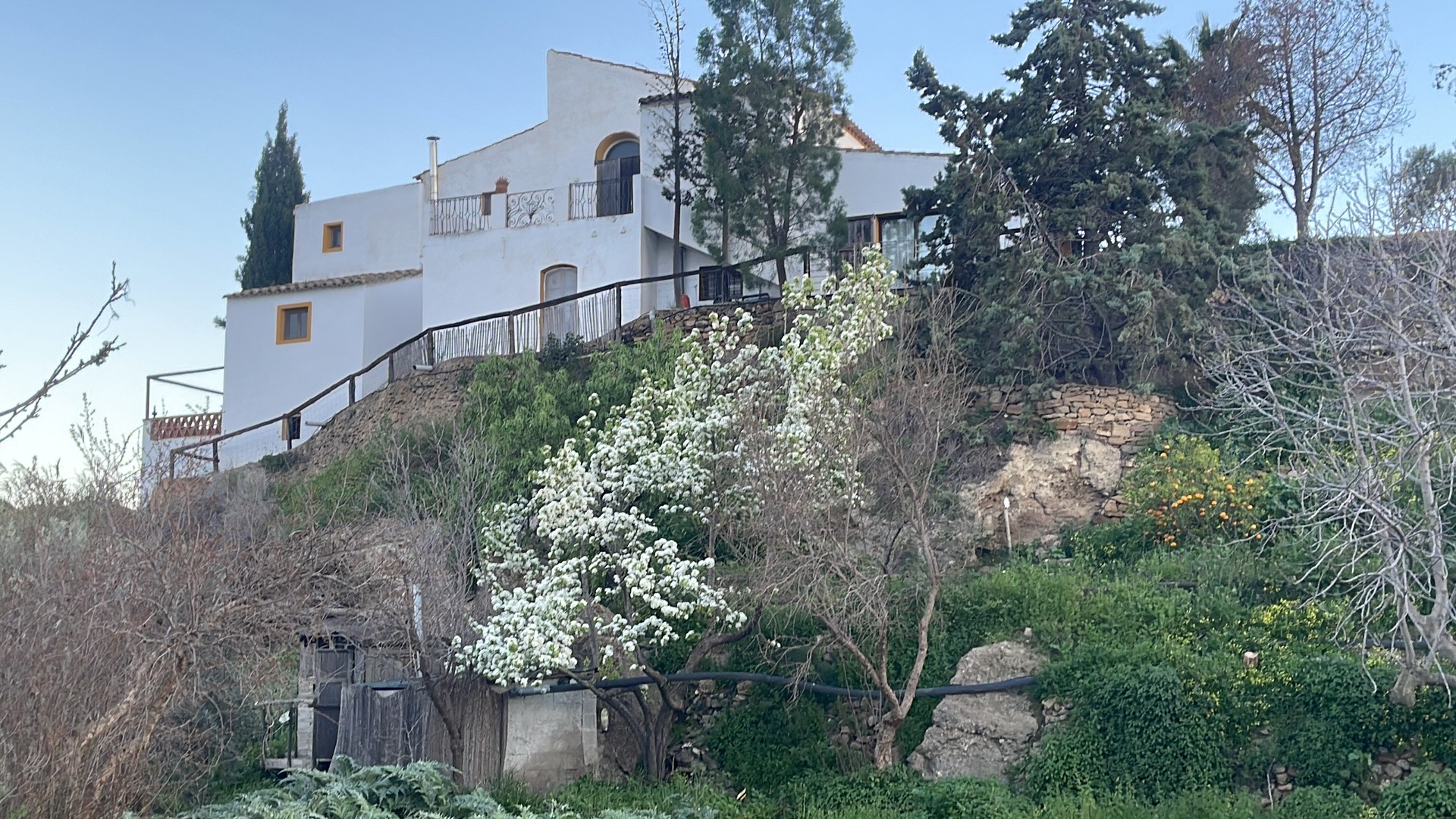
The Tree House: Magic in the Branches
A Childhood Dream Made Real
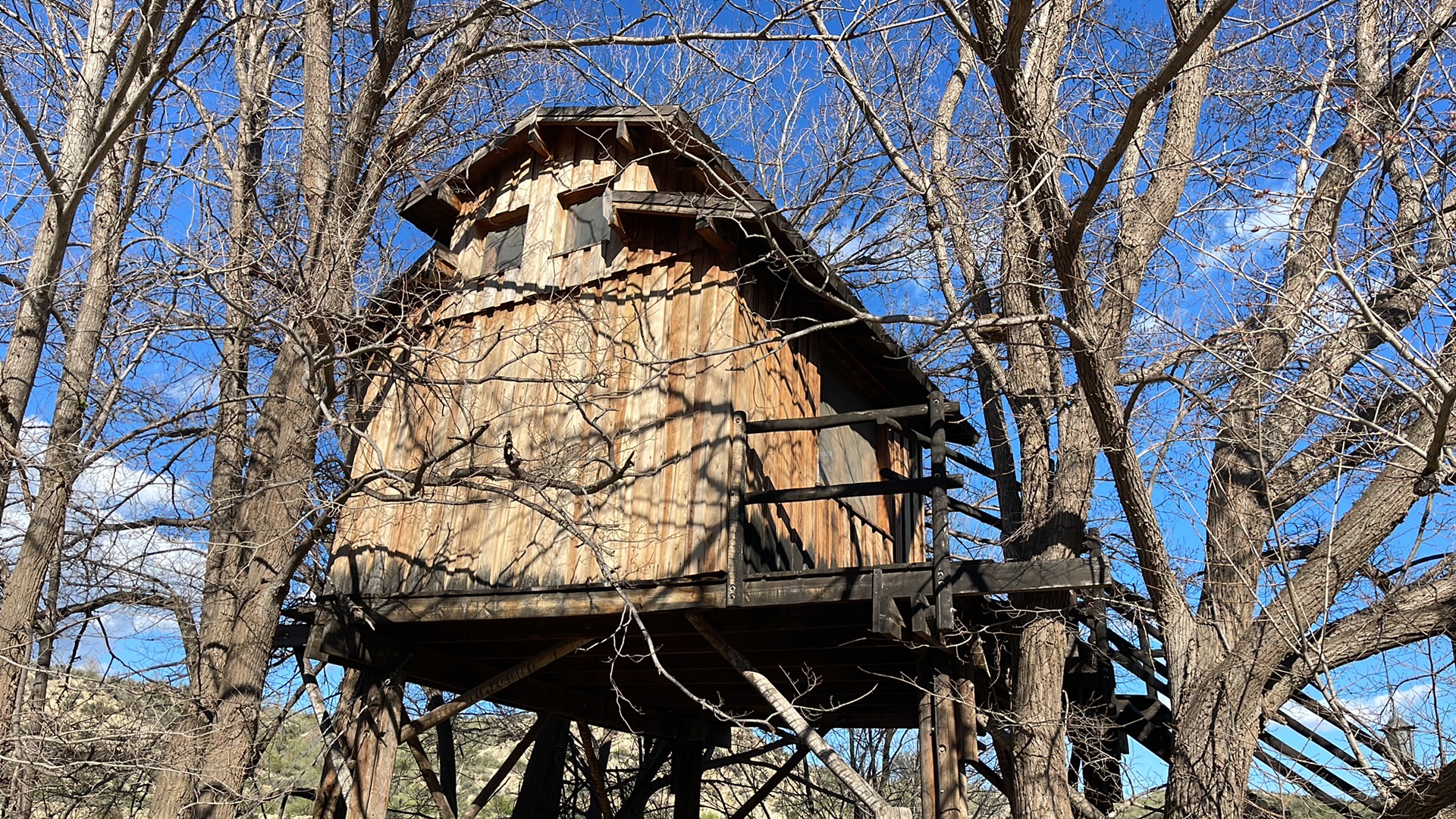
High in the branches of a magnificent old tree, accessible by ladder and requiring a bit of courage, sits one of Oasis Al Hamam’s most enchanting features: the Tree House. This isn’t a simple platform—it’s a fully-realized sleeping space, crafted with care and imagination, offering visitors an experience they’ll never forget.
Spending a night in the Tree House means falling asleep to wind rustling through leaves, waking to birdsong at dawn, and experiencing the land from an entirely different perspective. Children dream of such spaces; adults who sleep here reconnect with their own childhood wonder while experiencing nature’s rhythms intimately.
Sleeping Among the Leaves
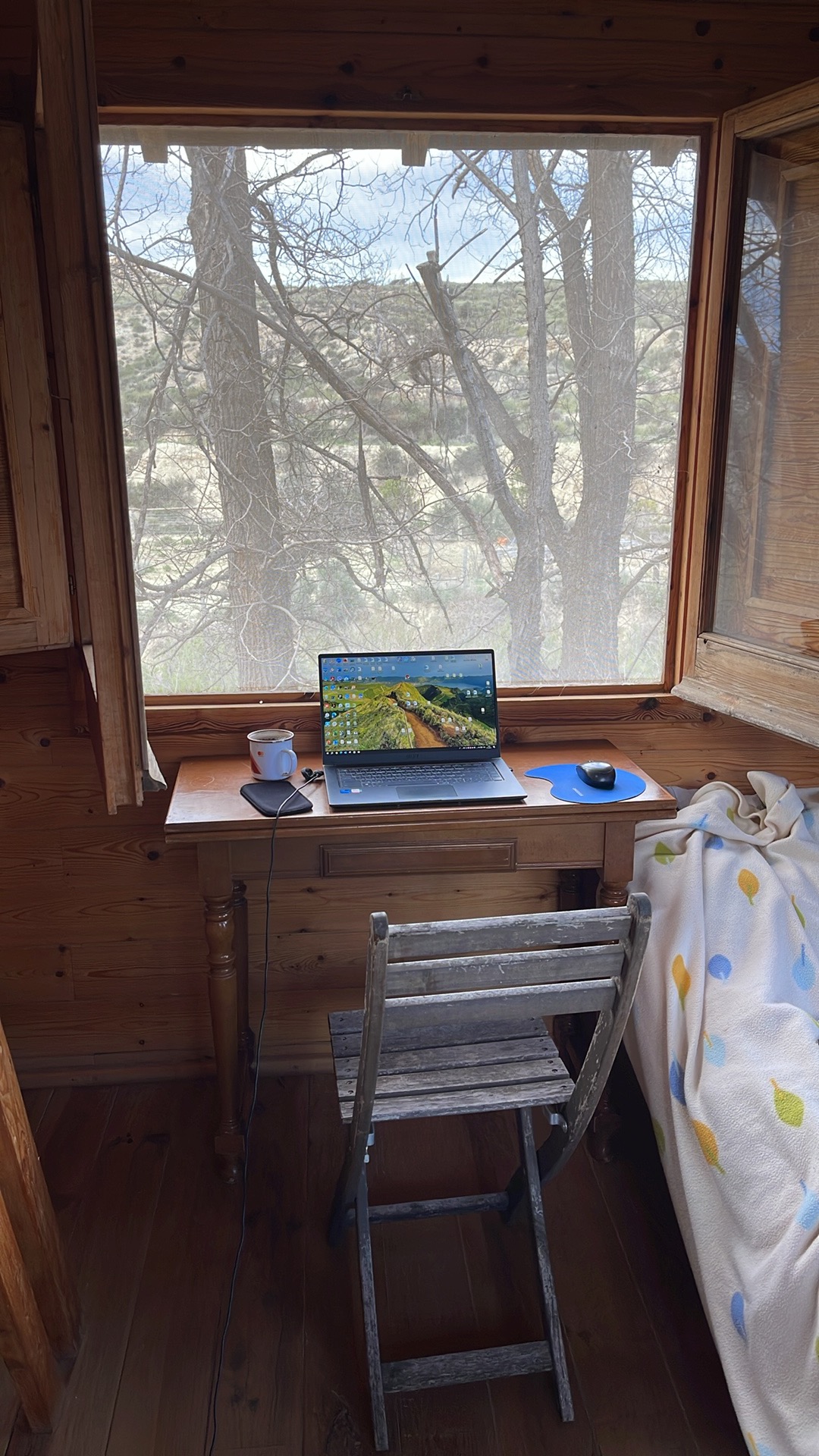
The Tree House accommodates 1-2 people comfortably, with mattresses, blankets, and minimal but sufficient amenities. It’s rustic in the best sense—no electricity, no running water, just you and the tree and the vast Andalusian sky. Summer nights offer spectacular stargazing. Spring mornings bring almond blossoms into intimate proximity. Autumn winds test your trust in good construction.
This isn’t luxury accommodation—it’s something more valuable: authentic connection to arboreal life, a reminder that humans once lived in trees, and can still find peace there.
The Animal Sanctuary: Teaching Through Caring
More Than a Zoo: Educational Ecosystem
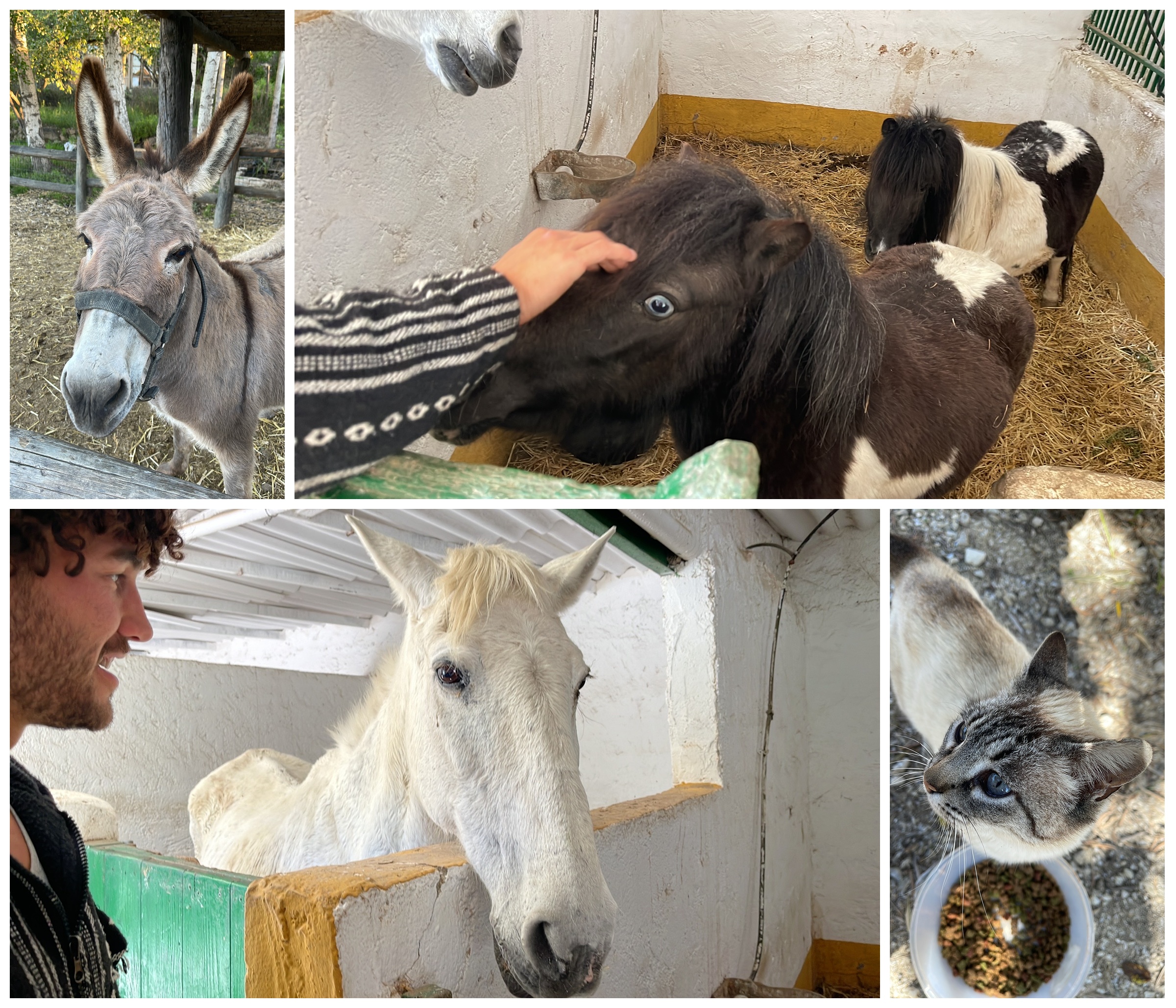
Oasis Al Hamam maintains what might be called a small zoo, but this description fails to capture its true purpose. This is an animal sanctuary and educational space where children—over 4,000 annually—learn directly about animal care, responsibility, compassion, and the interconnections between human and non-human life.
The animals here aren’t merely on display. They’re integrated into the permaculture system: chickens provide eggs and pest control, goats manage vegetation and produce milk, rabbits demonstrate rapid composting through their droppings, ducks manage water garden ecosystems. Each animal teaches multiple lessons simultaneously.
Daily School Visits: Buses Full of Wonder
Every day during the school year, buses arrive carrying children from across the region. These aren’t passive field trips—they’re hands-on learning experiences where urban children often encounter farm animals for the first time, learn where food actually comes from, and discover that eggs don’t originate in supermarkets.
What Children Learn:
- Animal Care: Feeding, cleaning, observing behavior, understanding needs
- Life Cycles: Birth, growth, reproduction, death—natural processes made visible
- Responsibility: Animals depend on daily care; negligence has consequences
- Compassion: Recognizing animal emotions, respecting different forms of consciousness
- Ecological Connections: How chickens, gardens, compost, and soil fertility interconnect
- Food Origins: Where milk, eggs, meat actually come from (many children genuinely don’t know)
The Animals: Who Lives Here
The sanctuary hosts diverse species, each contributing to both educational mission and permaculture function:
- Chickens & Roosters: Multiple breeds demonstrating diversity, providing eggs, managing insects
- Goats: Browsers controlling vegetation, producing milk, teaching milking skills
- Rabbits: Demonstrating rapid reproduction, providing manure for gardens
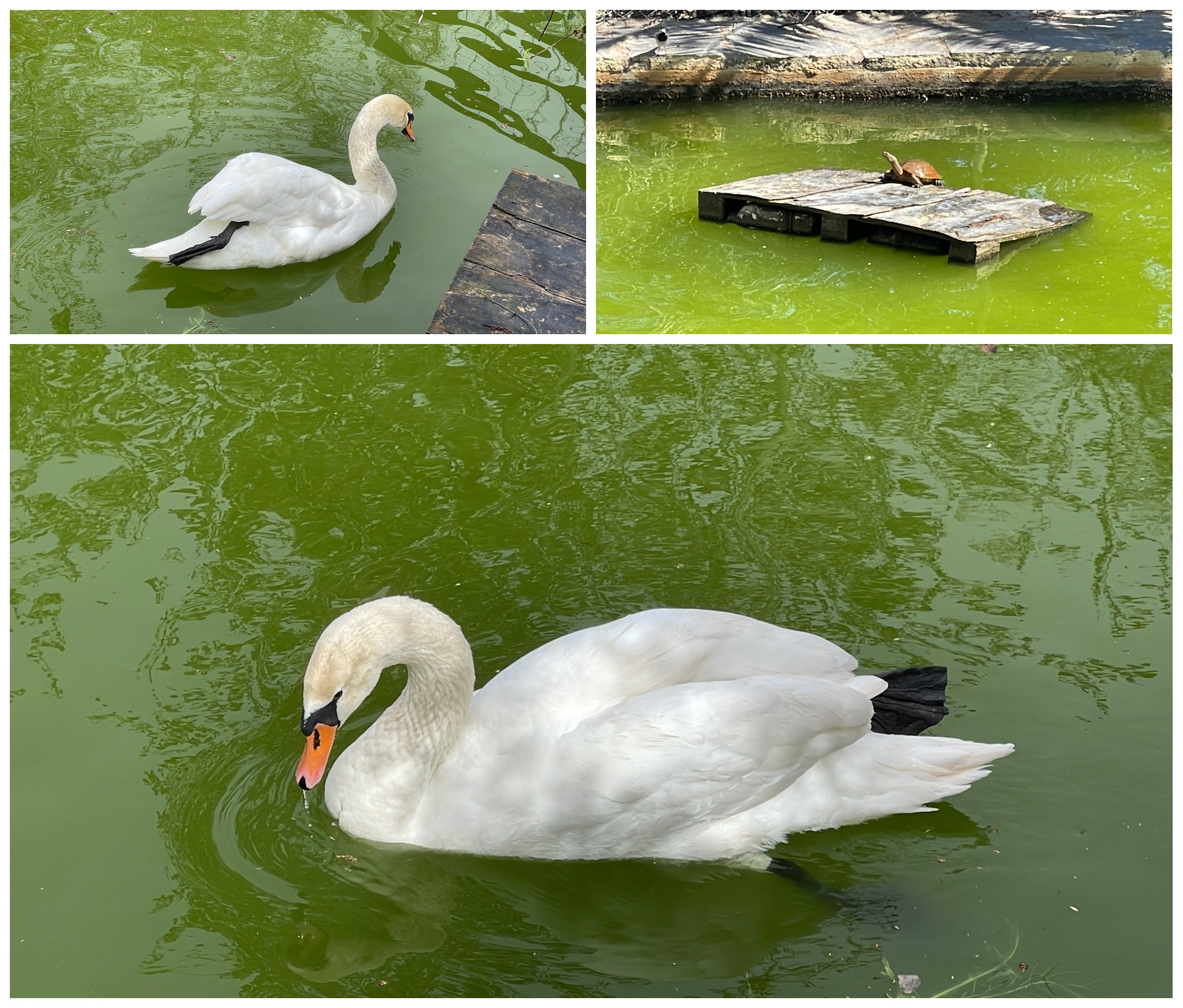
- Ducks & Geese: Water management, slug control, wetland ecosystem demonstration
- Donkeys: Historic farm labor animals, now teaching gentle interaction
- Cats & Dogs: Pest control (cats), guardian animals (dogs), companionship
- Bees: Pollination demonstration, honey production, ecosystem services education
El Hamam: Ancient Healing Waters
Sulfide Springs and Traditional Bathing
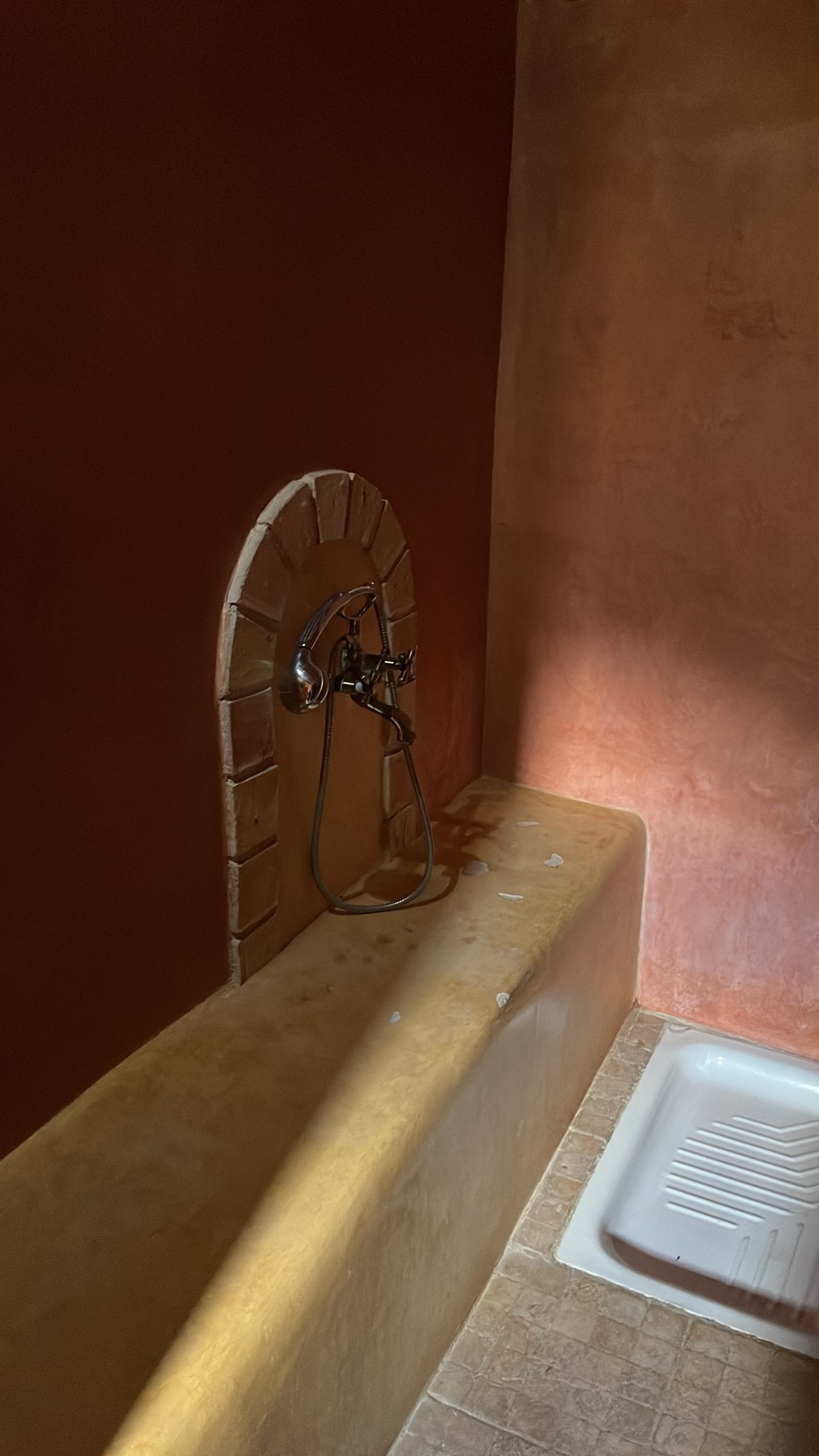
The property’s name—Oasis Al Hamam—directly references one of its most distinctive features: the Hamam, a traditional bathhouse fed by natural sulfide springs emerging from deep within the earth. This isn’t modern wellness industry invention but continuation of bathing traditions stretching back to Moorish Andalusia and beyond.
The thermal waters, rich in minerals including sulfur, have been used for centuries for their therapeutic properties. Locals knew these springs long before Oasis Al Hamam existed, coming to bathe ailments ranging from skin conditions to joint pain to simple exhaustion.
📸 Photo Collage 12: Hamam Building – Exterior Architecture, Entrance, Traditional Design, Surroundings
[Space for 4-photo collage]
The Bathing Experience
Visiting the Hamam at Oasis Al Hamam connects you to millennia of Mediterranean bathing culture. The waters flow naturally, requiring no heating—the earth provides warmth. The space itself encourages slowing down, soaking not just body but also accumulated stress and hurry.
Therapeutic Benefits (Traditional Knowledge):
- Skin Health: Sulfur compounds traditionally used for dermatological conditions
- Joint Relief: Mineral-rich warm water easing arthritis and muscle tension
- Respiratory: Steam inhalation with mineral content supporting lung health
- Circulation: Heat promoting blood flow, mineral absorption through skin
- Stress Reduction: Ritual bathing as meditation, nervous system regulation
- Social Healing: Communal bathing creating bonds, shared vulnerability
Integration with Wellness Programs
The Hamam forms integral part of Oasis Al Hamam’s wellness retreats. Yoga practitioners soak sore muscles after practice. Meditation retreatants use bathing as contemplative practice. Workers refresh after hot days in the gardens. The waters serve everyone, asking nothing but respect in return.
Two Structures: Association & Company
Oasis Al Hamam Association (NGO)
The non-profit association focuses on educational mission, community development, and permaculture demonstration:
Association Activities:
- Educational Programs: School visits, PDC courses, workshops, volunteer training
- Community Development: Supporting local permaculture network, hosting gatherings
- Demonstration Site: Maintaining gardens, water systems, natural building examples
- Volunteer Programs: European Solidarity Corps (ESC), WWOOF, work exchanges
- Research & Documentation: Sharing learning, contributing to permaculture knowledge
- Animal Sanctuary: Care, education, integration with permaculture systems
Oasis Al Hamam Company (Retreat Organization)
The for-profit company manages wellness programs, accommodation, and retreat offerings, generating income that supports overall operations:
Company Services:
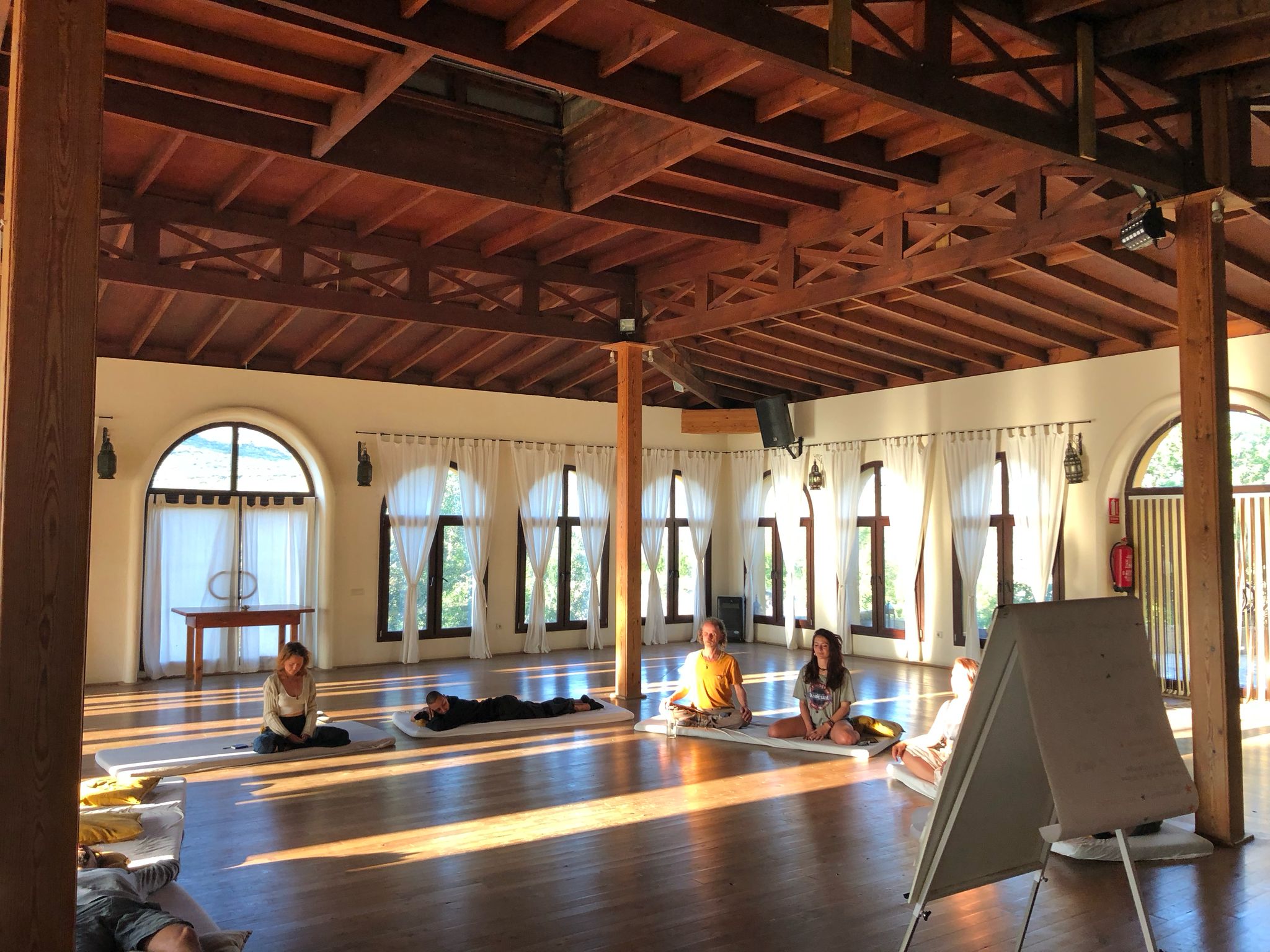
- Wellness Retreats: Yoga, meditation, detox, holistic health programs
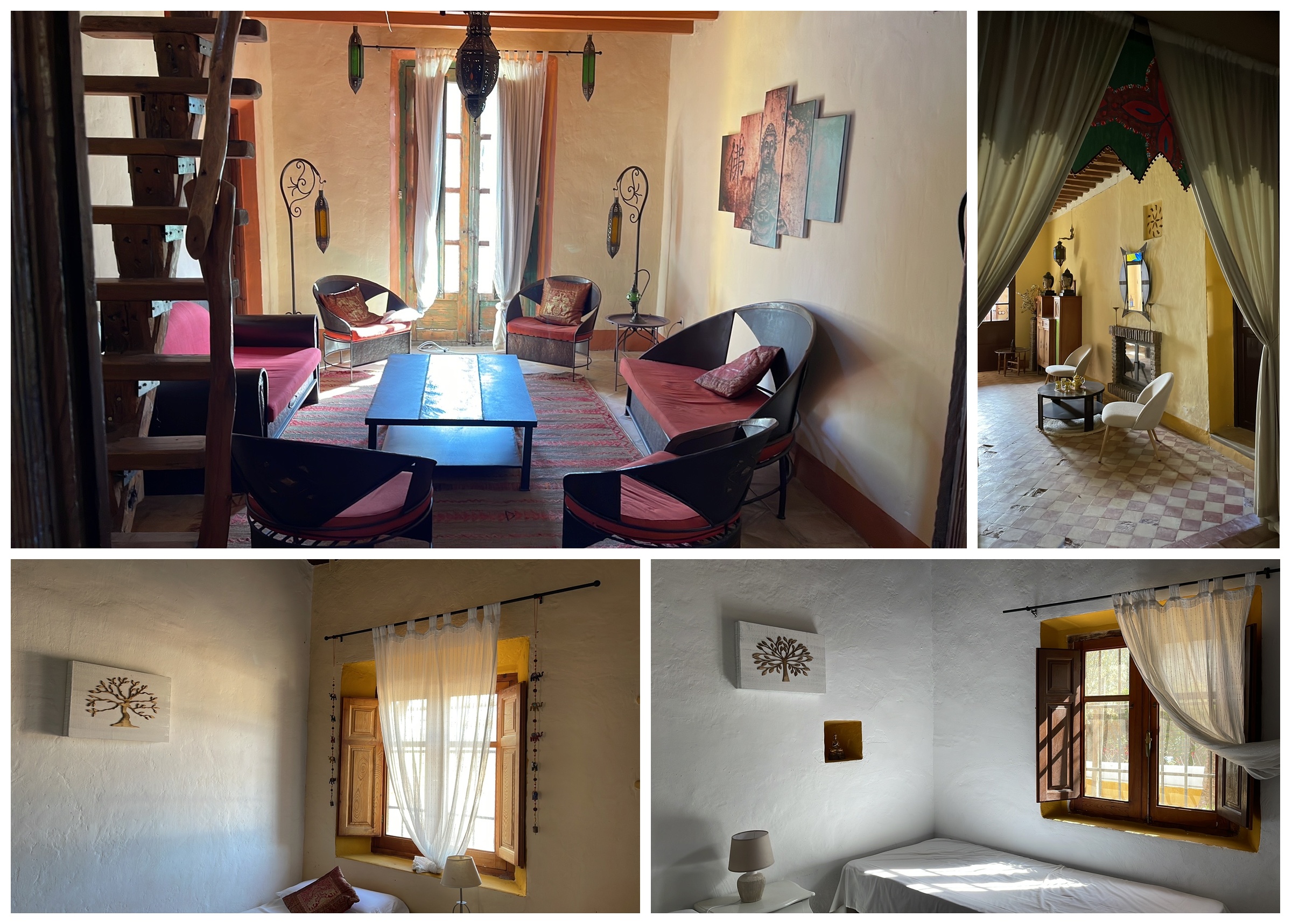
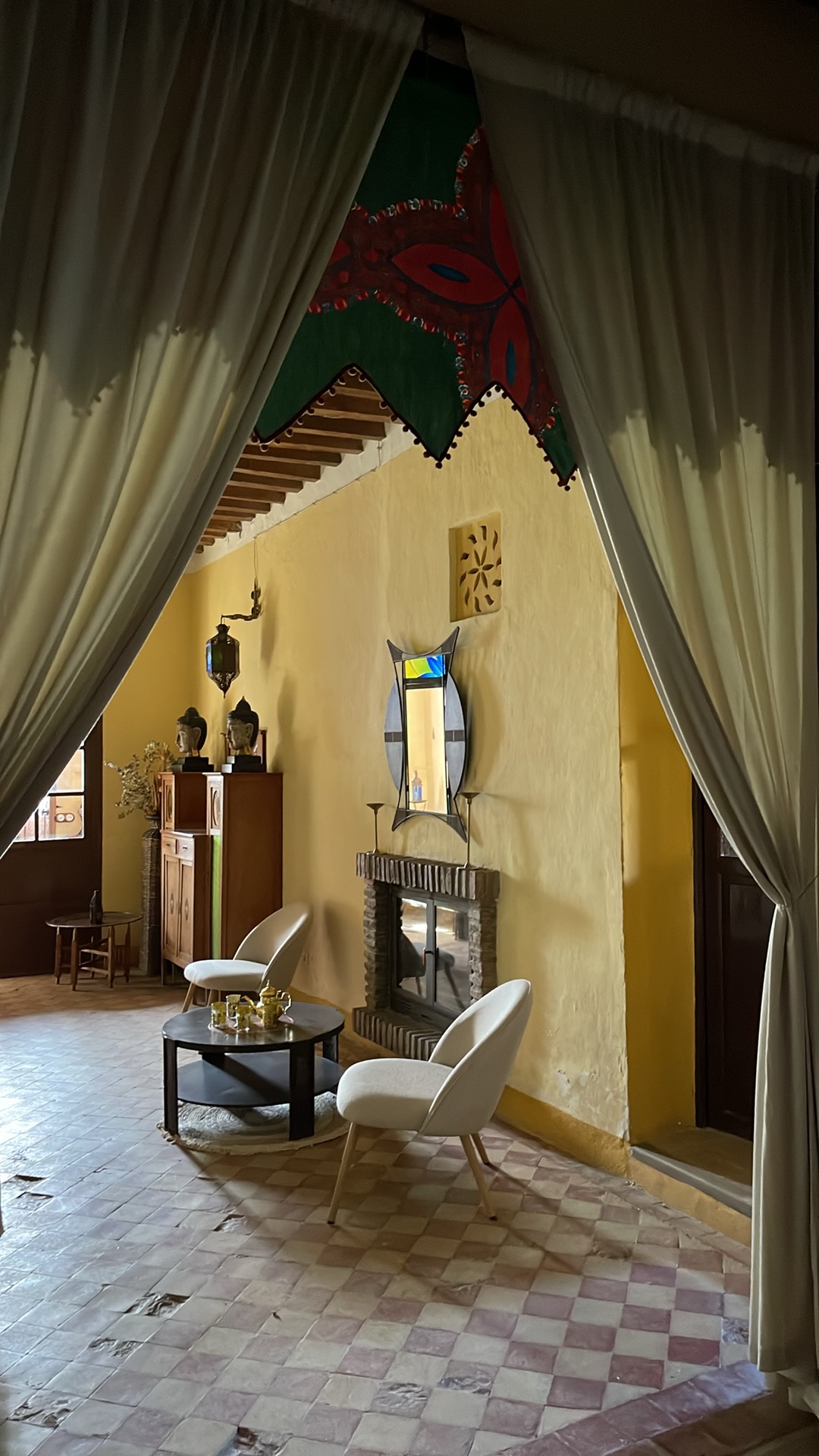
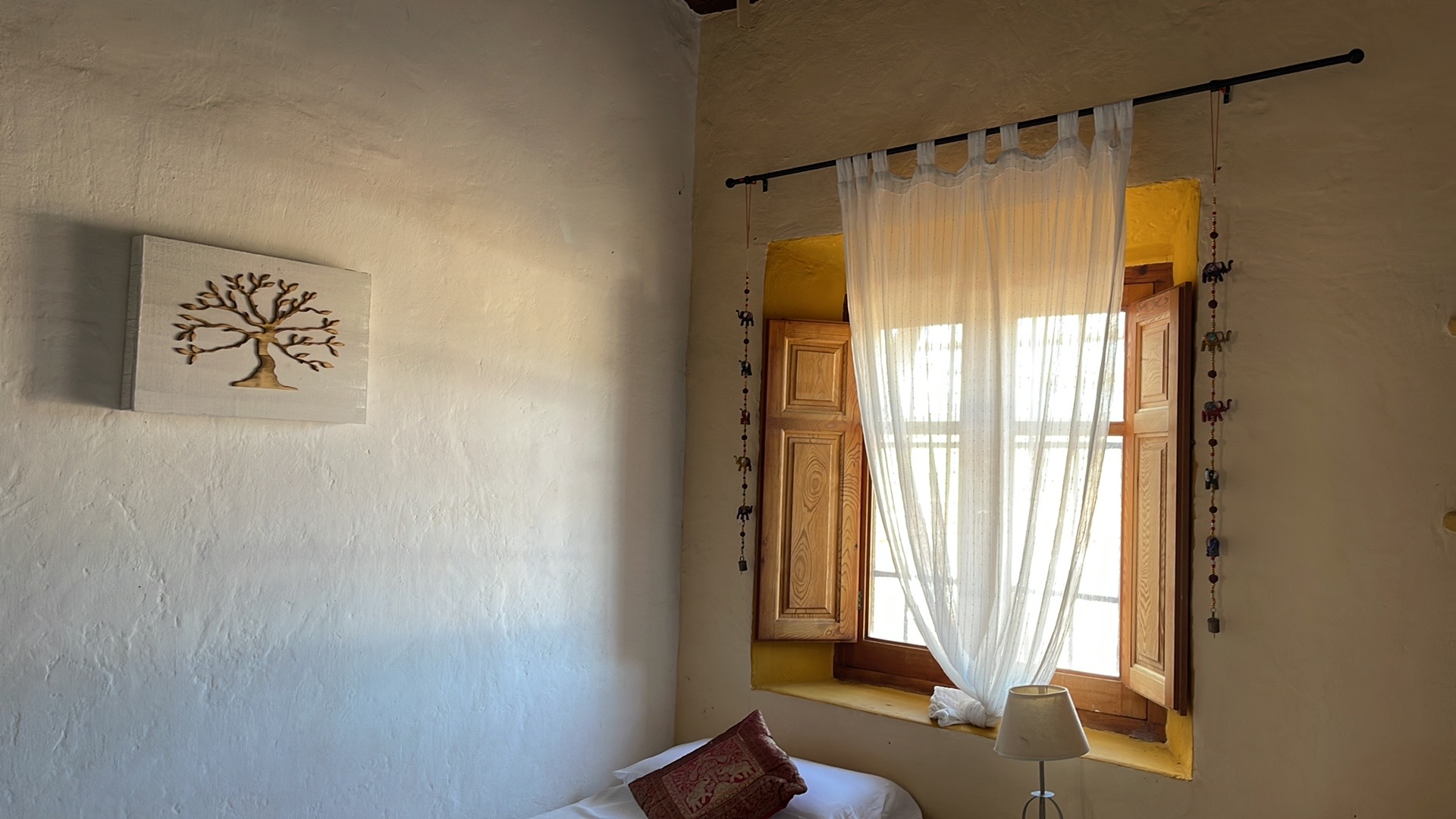
- Accommodation: Eco-camping, tree house, shared rooms, private rooms
- Hamam Access: Traditional bathing experiences, therapeutic treatments
- Workshop Space: Hosting external organizations, private retreats
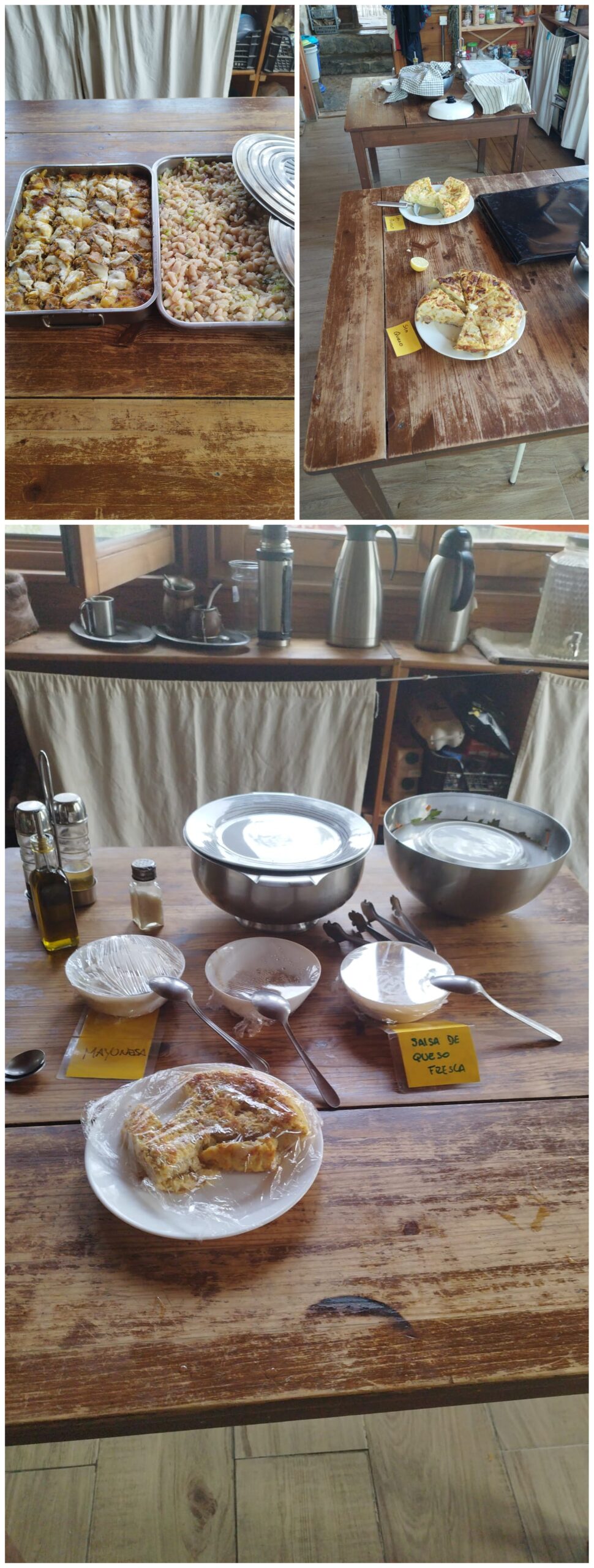
- Meals & Hospitality: Vegetarian/vegan food, mostly garden-sourced
- Event Hosting: Weddings, celebrations, ceremonies in natural settings
The Synergy: This dual structure allows Oasis Al Hamam to maintain educational mission (association) while achieving economic sustainability (company). Profits from retreats support free educational programs. Volunteers working with association gain retreat experiences. The whole becomes greater than sum of parts.
Accommodation: From Camping to Tree House
Diverse Options for Every Budget
Oasis Al Hamam offers accommodation ranging from basic camping to private rooms, ensuring accessibility for different budgets and preferences:
- Eco-Camping: Bring your tent, pitch under olive trees, use communal facilities—most affordable option
- Tree House: The magical sleeping-in-branches experience described earlier
- Shared Dormitories: Simple beds in shared rooms, community atmosphere
- Private Rooms: More privacy and comfort while maintaining ecological principles
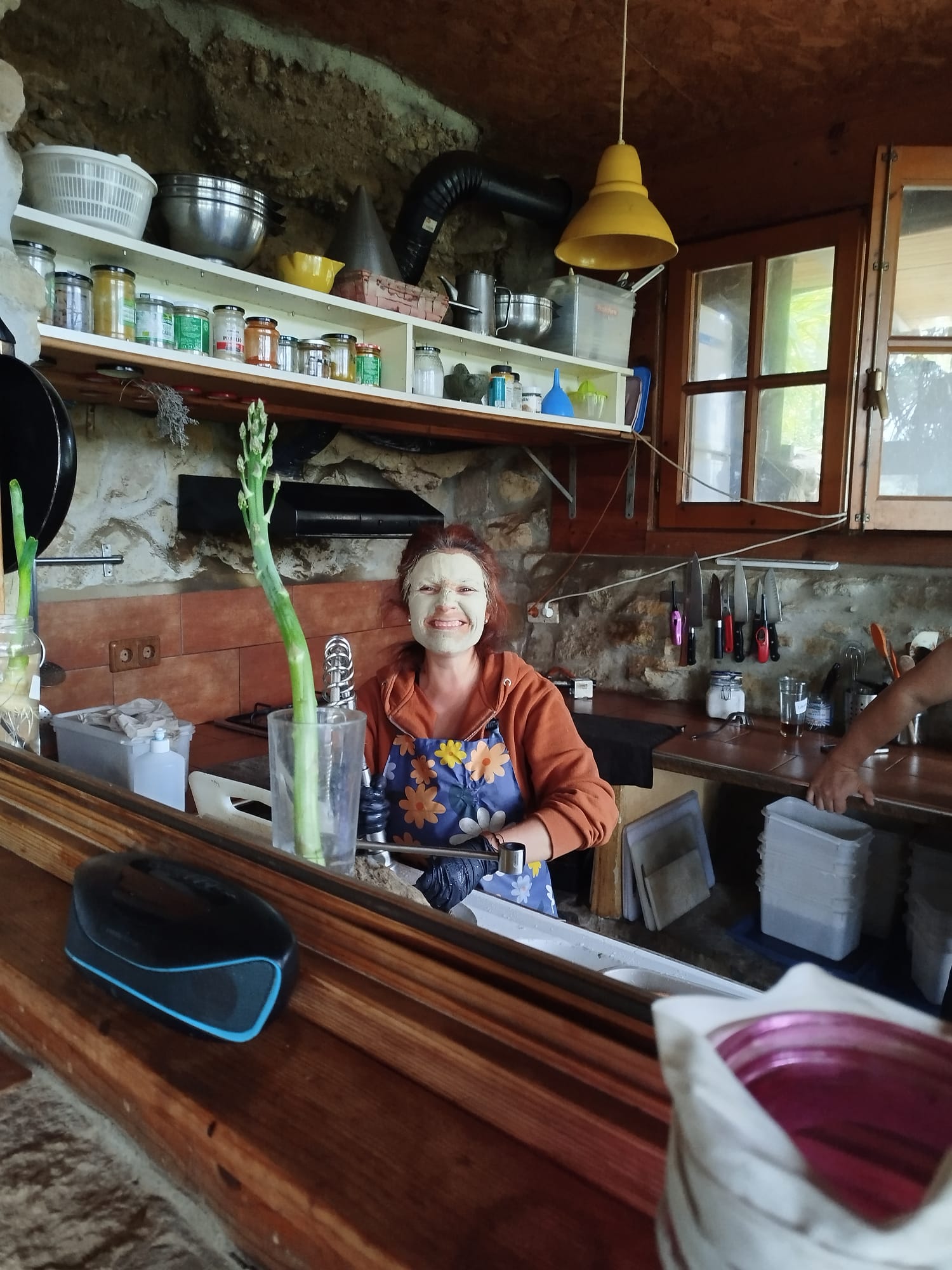
- Communal Spaces: Shared kitchen, dining areas, bathrooms, outdoor living rooms
Gardens & Food Production
From Soil to Table
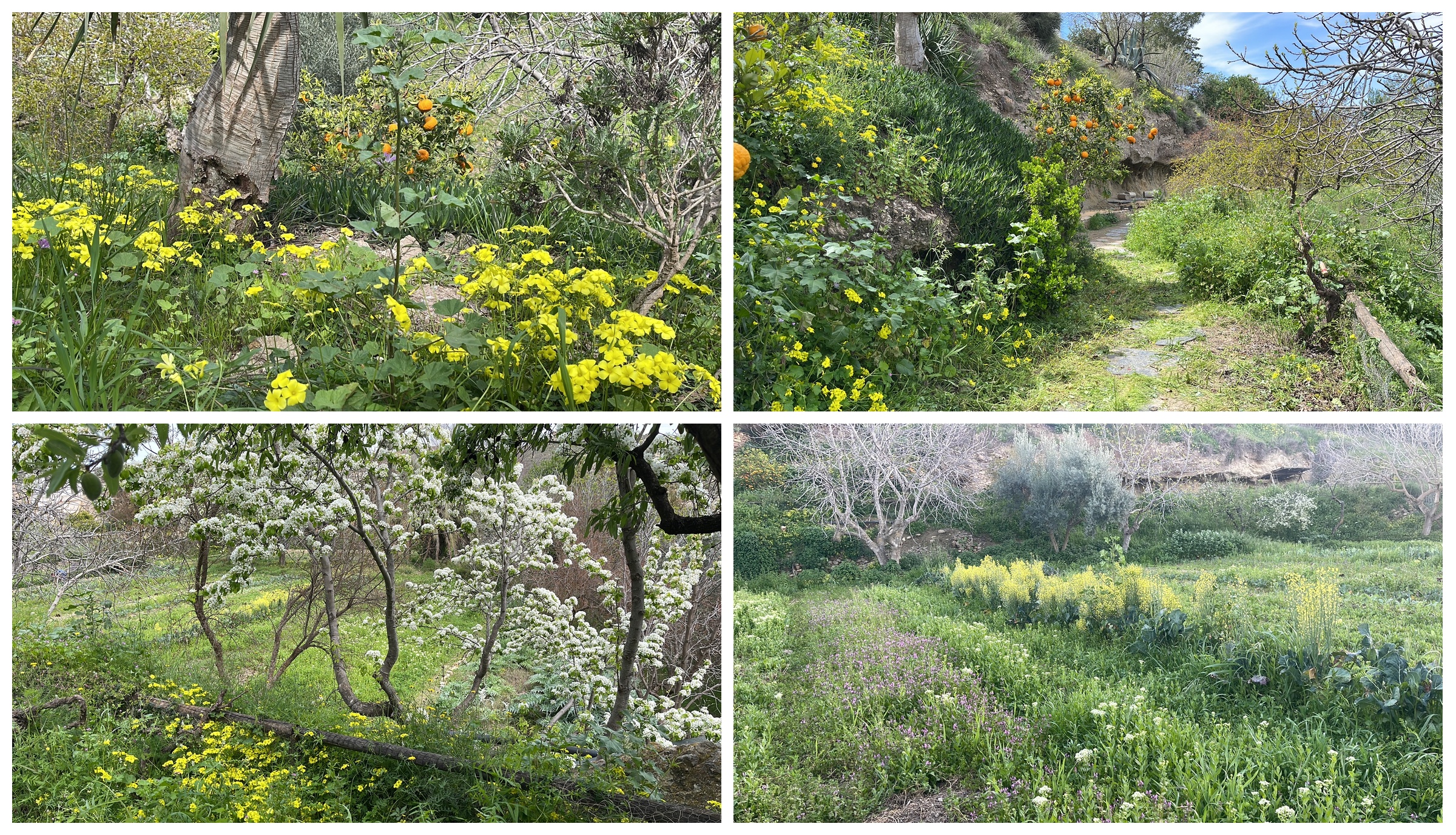
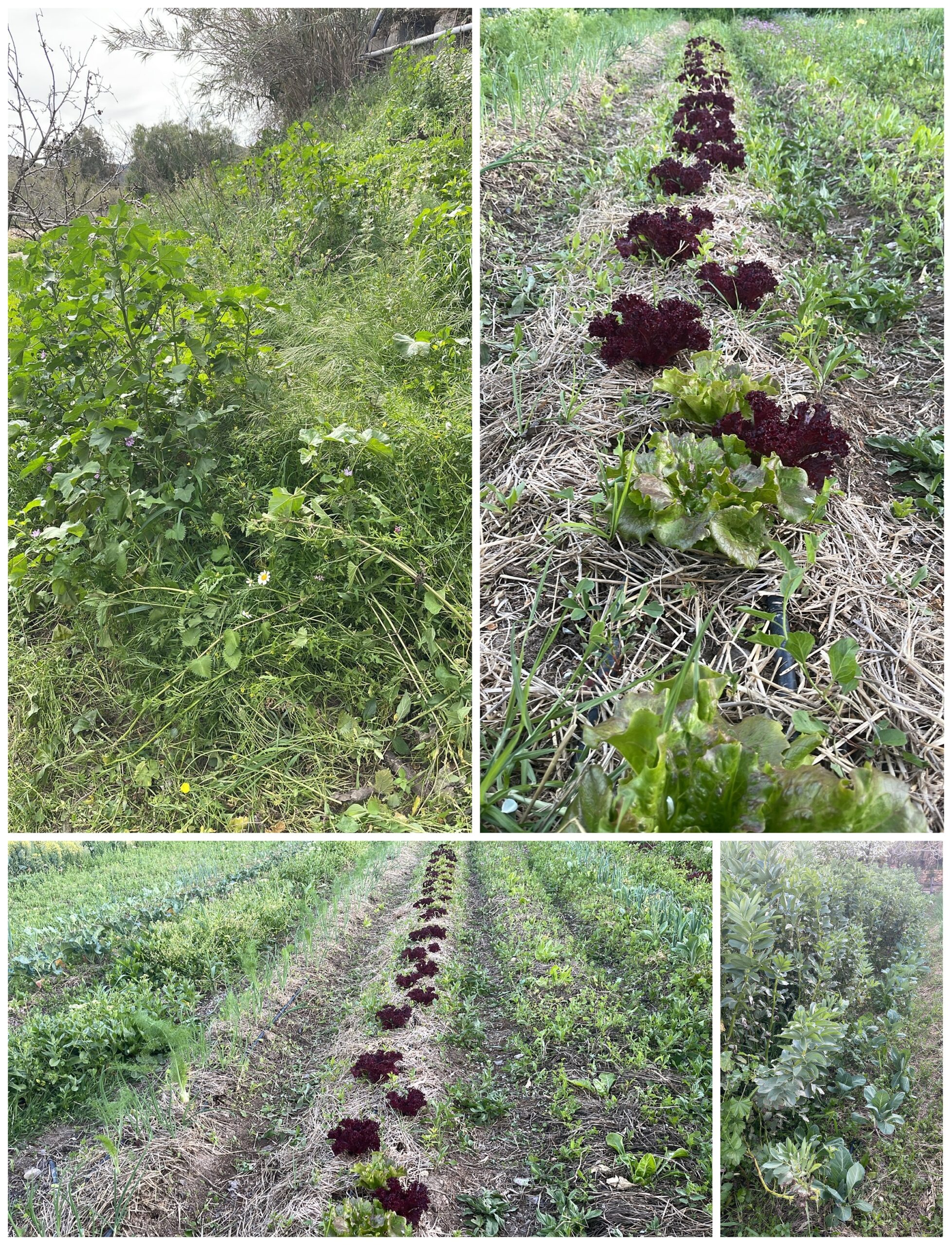
The gardens at Oasis Al Hamam demonstrate permaculture in action. What visitors eat for lunch was often growing in the ground that morning. This isn’t romantic exaggeration—it’s daily reality enabled by careful design, dedicated labor, and 26 years of soil-building.
What Grows Here
- Mediterranean Classics: Tomatoes, peppers, eggplants, zucchini thriving in summer heat
- Leafy Greens: Lettuce, arugula, spinach, chard in cooler months
- Herbs Everywhere: Rosemary, thyme, oregano, sage, basil, parsley carpeting paths and beds
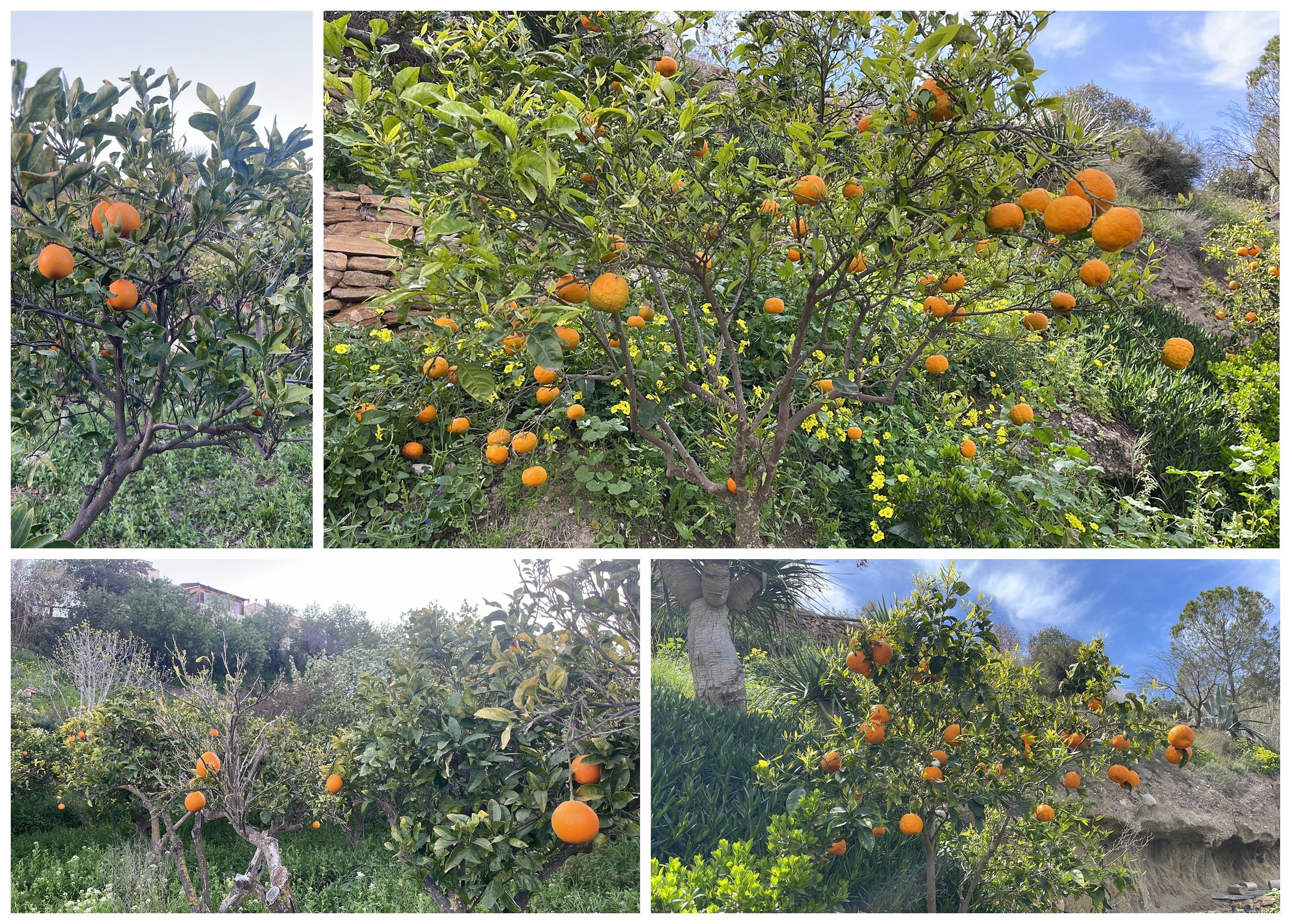
- Fruit Trees: Ancient olives, figs, pomegranates, almonds, citrus
- Perennial Vegetables: Artichokes, asparagus, rhubarb providing years of harvests
- Experiment Zone: Testing new varieties, trialing climate-adapted species
Water: Designing for Scarcity
Every Drop Counts
In a region receiving barely 300mm annual rainfall, water management isn’t optional luxury—it’s existence itself. Oasis Al Hamam’s water systems demonstrate what’s possible through careful design:
- River Intake: Rio de Lucainena providing base flow, carefully managed within legal extraction limits
- Gravity Systems: Elevation differences powering distribution—no pumps needed after initial lift
- Storage Tanks: Multiple tanks buffering supply, enabling strategic irrigation
- Drip Irrigation: Delivering water directly to roots, minimizing evaporation
- Rainwater Harvesting: Catching every drop from roofs and hardscapes
- Greywater Systems: Reusing washing water for irrigation, closing loops
- Mulching: Heavy organic mulch reducing evaporation from soil
The Volunteer Experience
Living, Learning, Contributing
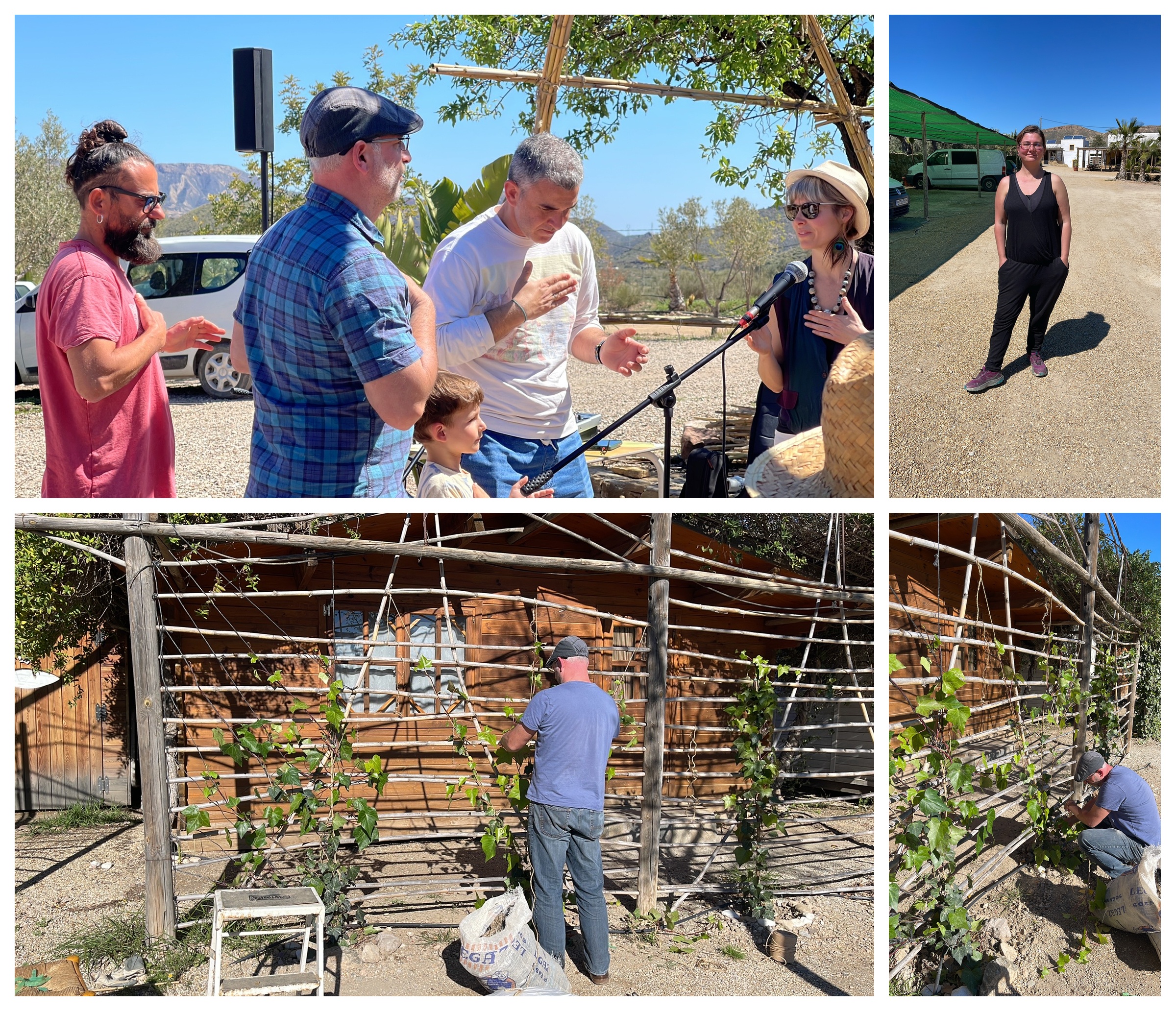
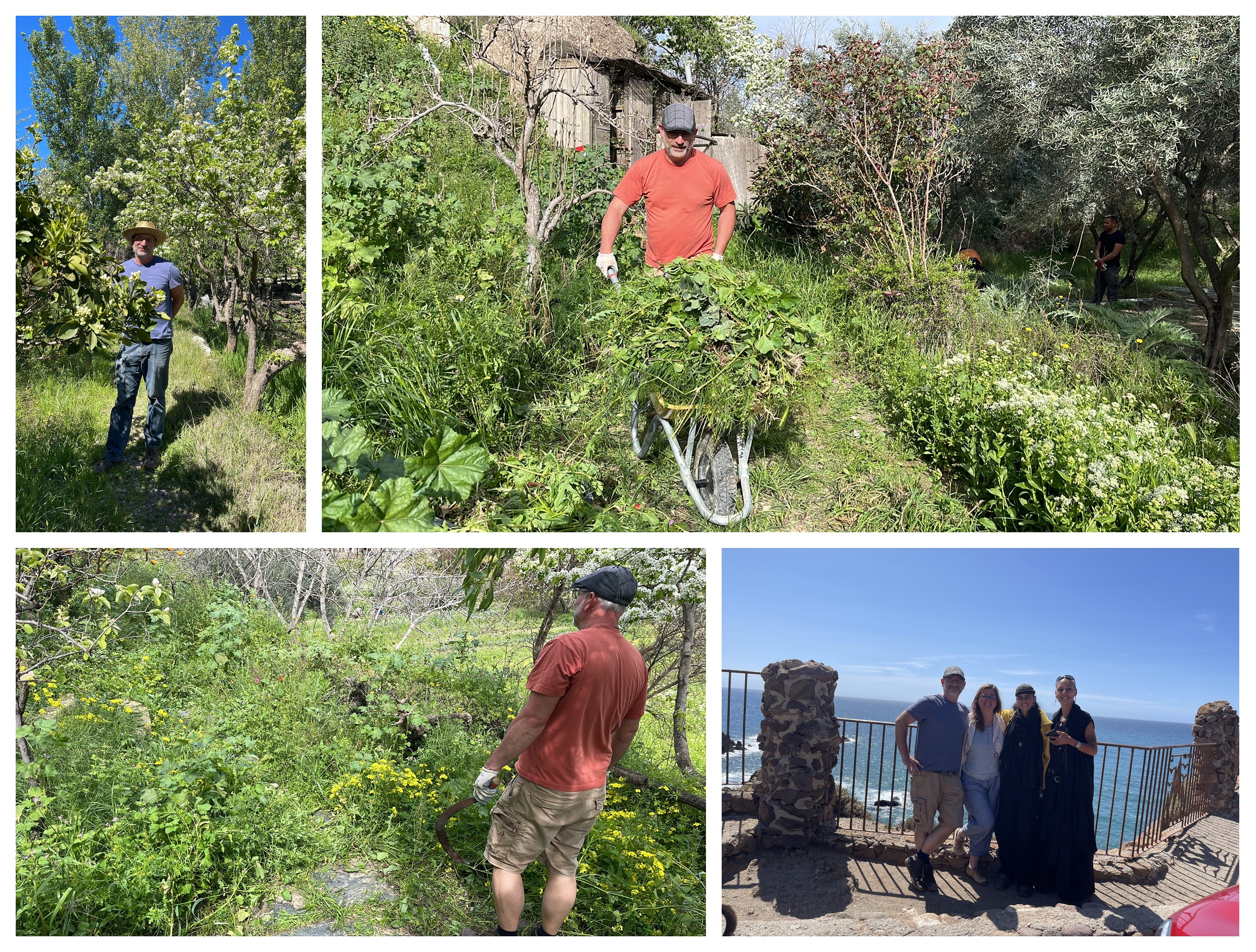
Every year, dozens of volunteers from across Europe and beyond come to Oasis Al Hamam through European Solidarity Corps (ESC), WWOOF, and private arrangements. They come seeking meaningful work, connection to land, community experience, permaculture education, and something ineffable—purpose, perhaps, or belonging.
What Volunteers Do
- Garden Maintenance: Planting, weeding, harvesting, composting
- Animal Care: Feeding, cleaning, observing, learning animal husbandry
- Construction Projects: Natural building, infrastructure maintenance, creative problem-solving
- Educational Support: Helping with school visits, translating, guiding tours
- Kitchen & Cleaning: Shared responsibility for communal living spaces
- Learning Time: PDC participation, workshops, hands-on skill development
Educational Programs
Permaculture Design Courses (PDC)
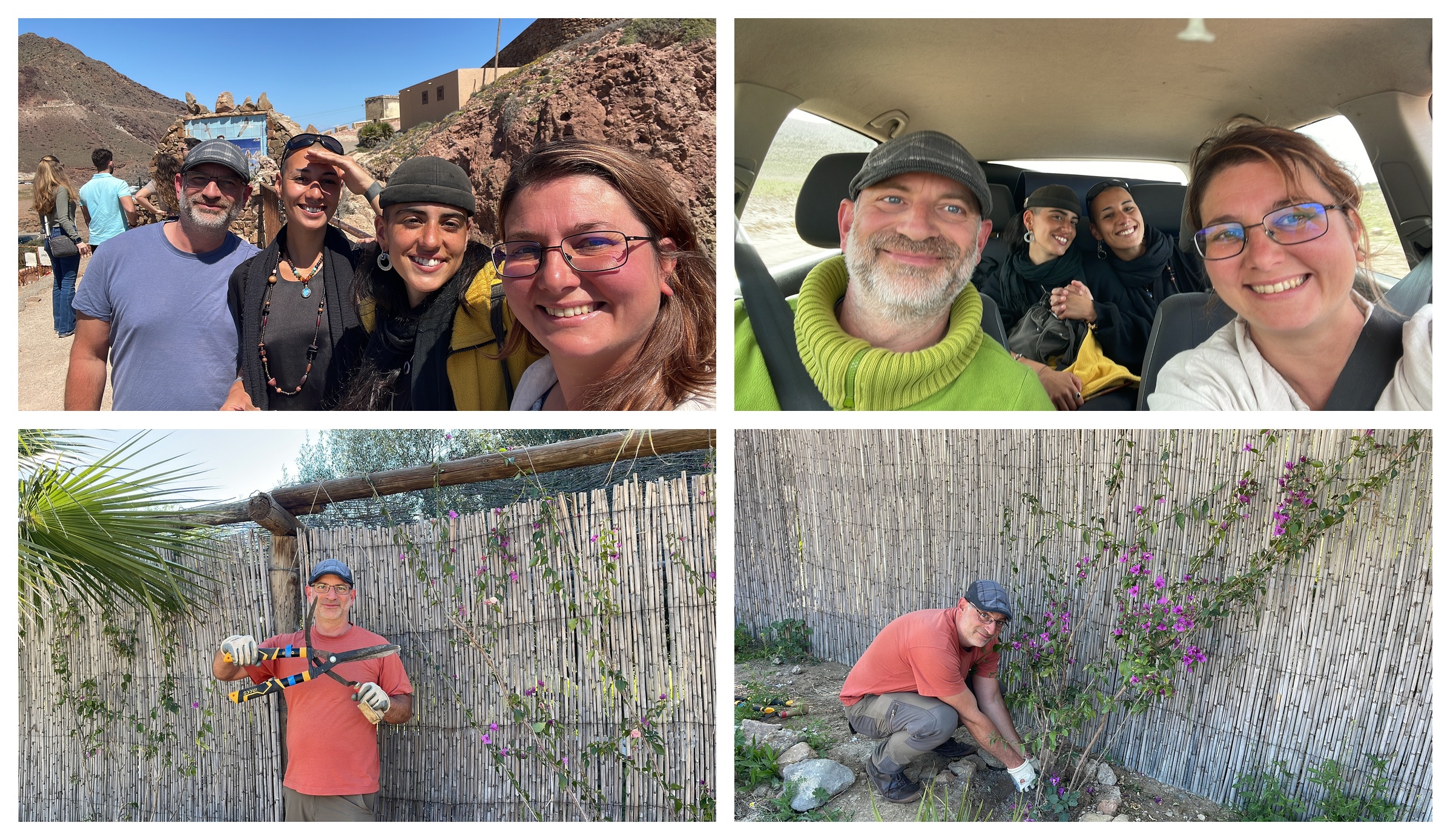
As a recognized LAND (Learning And Demonstration) site, Oasis Al Hamam regularly hosts Permaculture Design Certificate courses. These intensive programs combine theory, site observation, hands-on practice, and design project work, all within living demonstration of permaculture principles.
Specialized Workshops
- Natural Building: Earth construction, cob, adobe, strawbale
- Water Management: Swales, rainwater harvesting, greywater systems
- Food Preservation: Fermentation, drying, canning, storing harvests
- Seed Saving: Preserving biodiversity, developing local adaptation
- Animal Husbandry: Basic care, integration into permaculture systems
- Medicinal Plants: Identification, cultivation, preparation
Natural Building & Infrastructure
Building with the Land
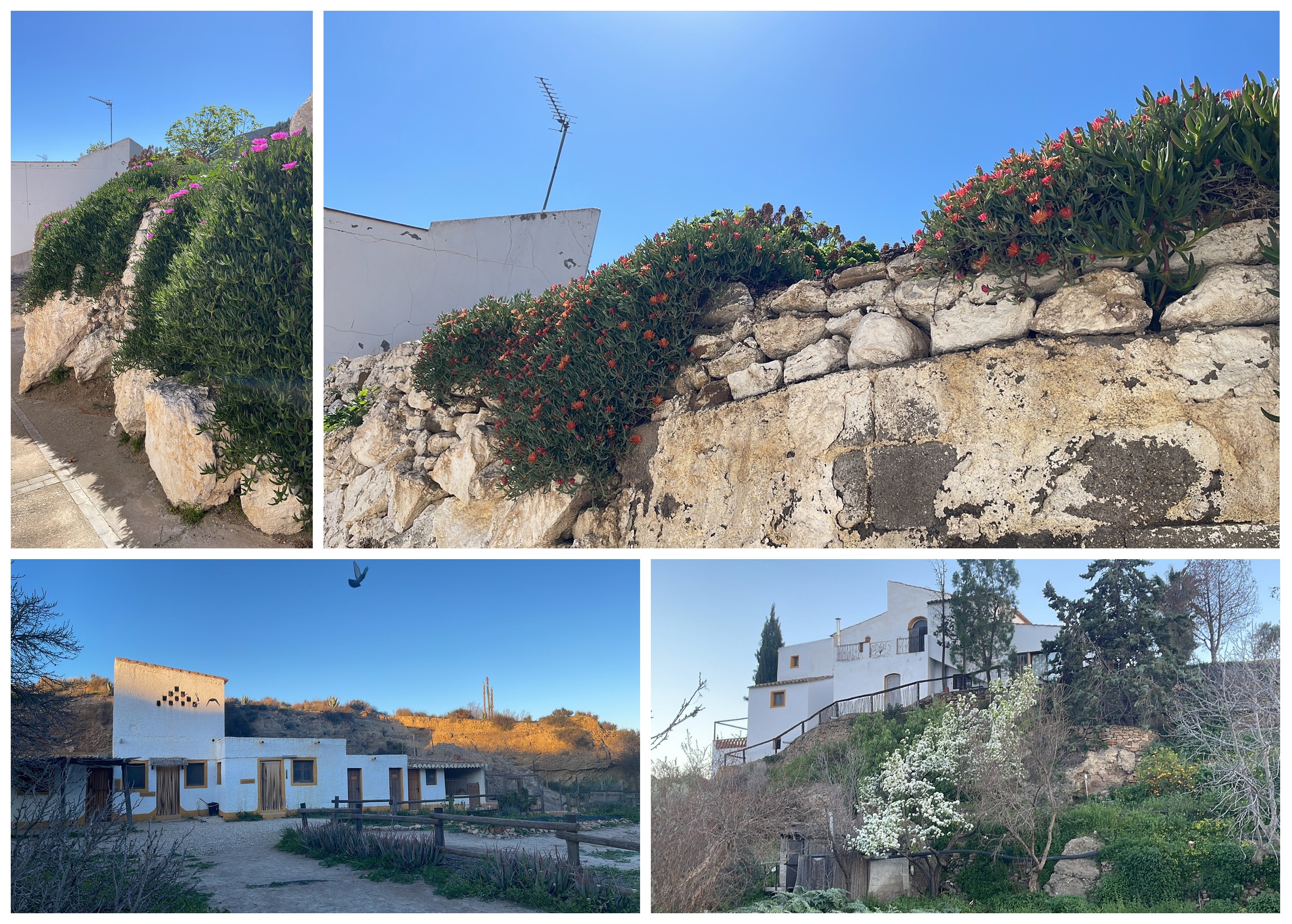
Oasis Al Hamam showcases diverse natural building techniques—each structure teaching different lessons about working with local materials, appropriate technology, and climatic adaptation:
- Stone Construction: Traditional techniques using local limestone
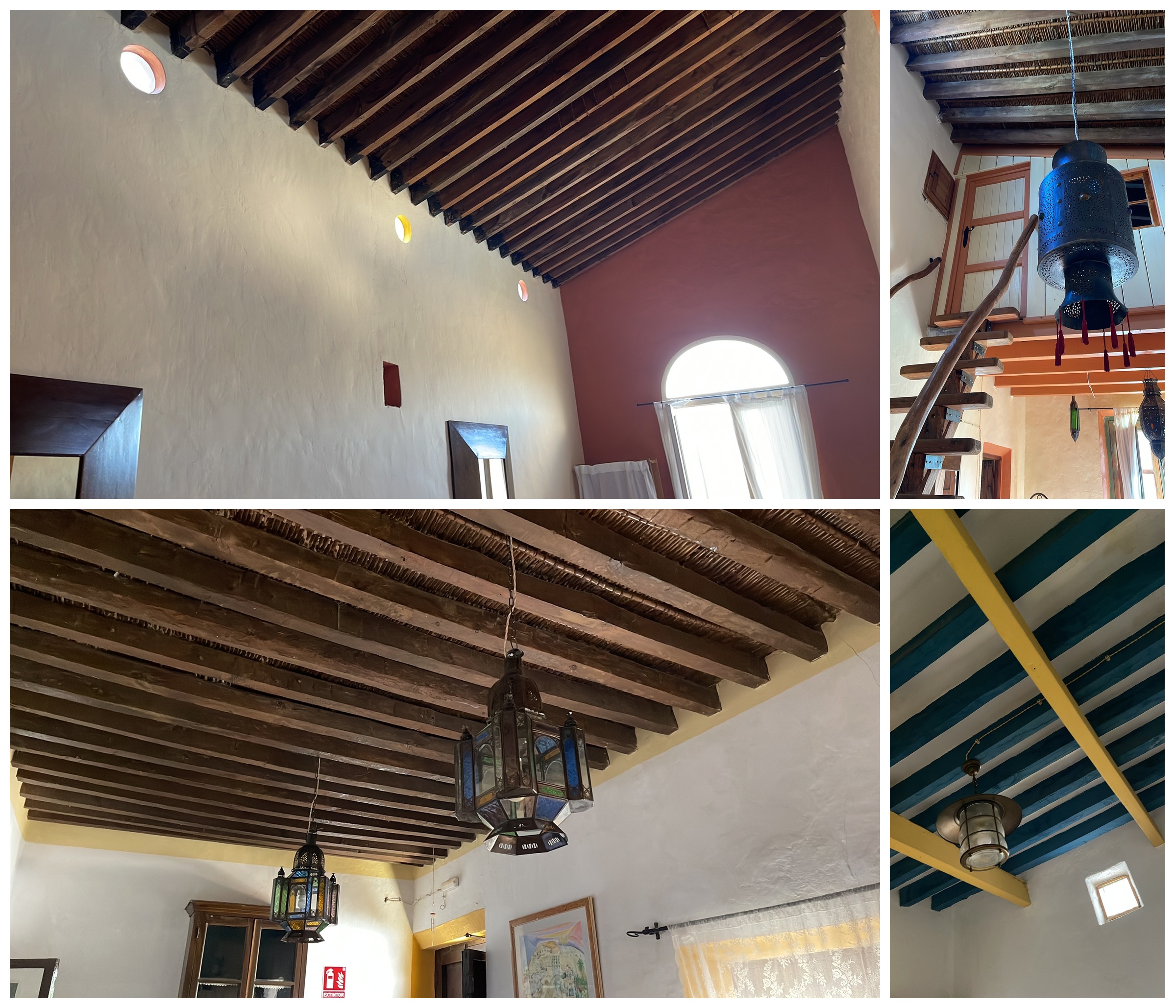
- Earth Plasters: Clay-based finishes regulating humidity, beautiful aging
- Timber Framing: Salvaged and locally-sourced wood construction
- Living Roofs: Green roofs providing insulation, habitat, beauty
- Outdoor Structures: Pergolas, shade structures, outdoor kitchens
Culture & Community
International Village in Andalusia
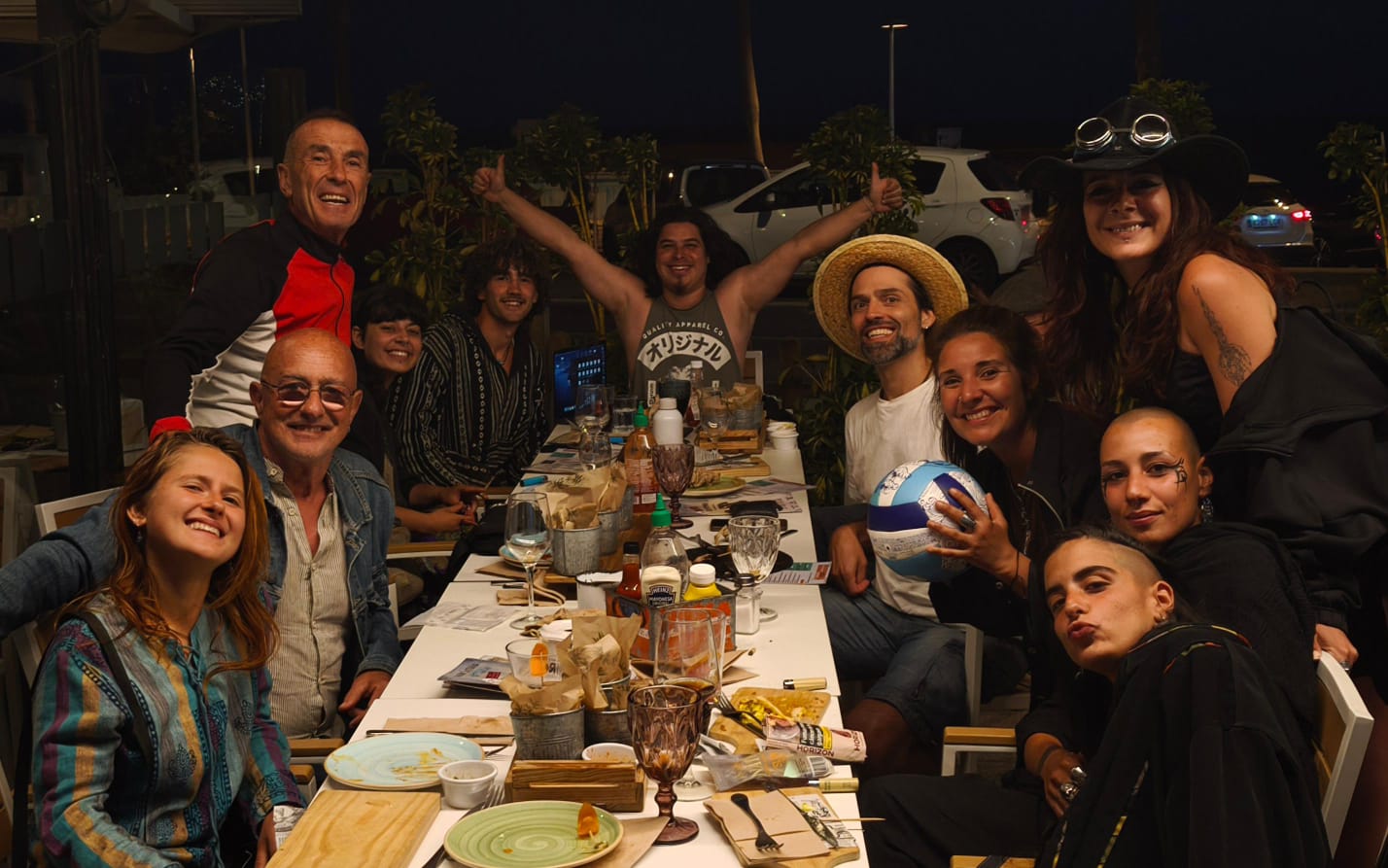
At any given time, Oasis Al Hamam might host people from 10+ countries speaking 5+ languages. This diversity isn’t challenge but gift—cultural exchange happens organically around dinner tables, in gardens, during work parties.
Celebrations & Gatherings
- Seasonal Festivals: Harvest celebrations, solstice gatherings, cultural events
- Music Nights: Guitars appear, drums emerge, impromptu concerts bloom
- Skill Shares: Volunteers teaching each other—languages, crafts, songs
- Sacred Ceremonies: Full moon circles, fire ceremonies, rituals honoring transitions
The People: Neil, Esther & Juan
Founders & Guardians
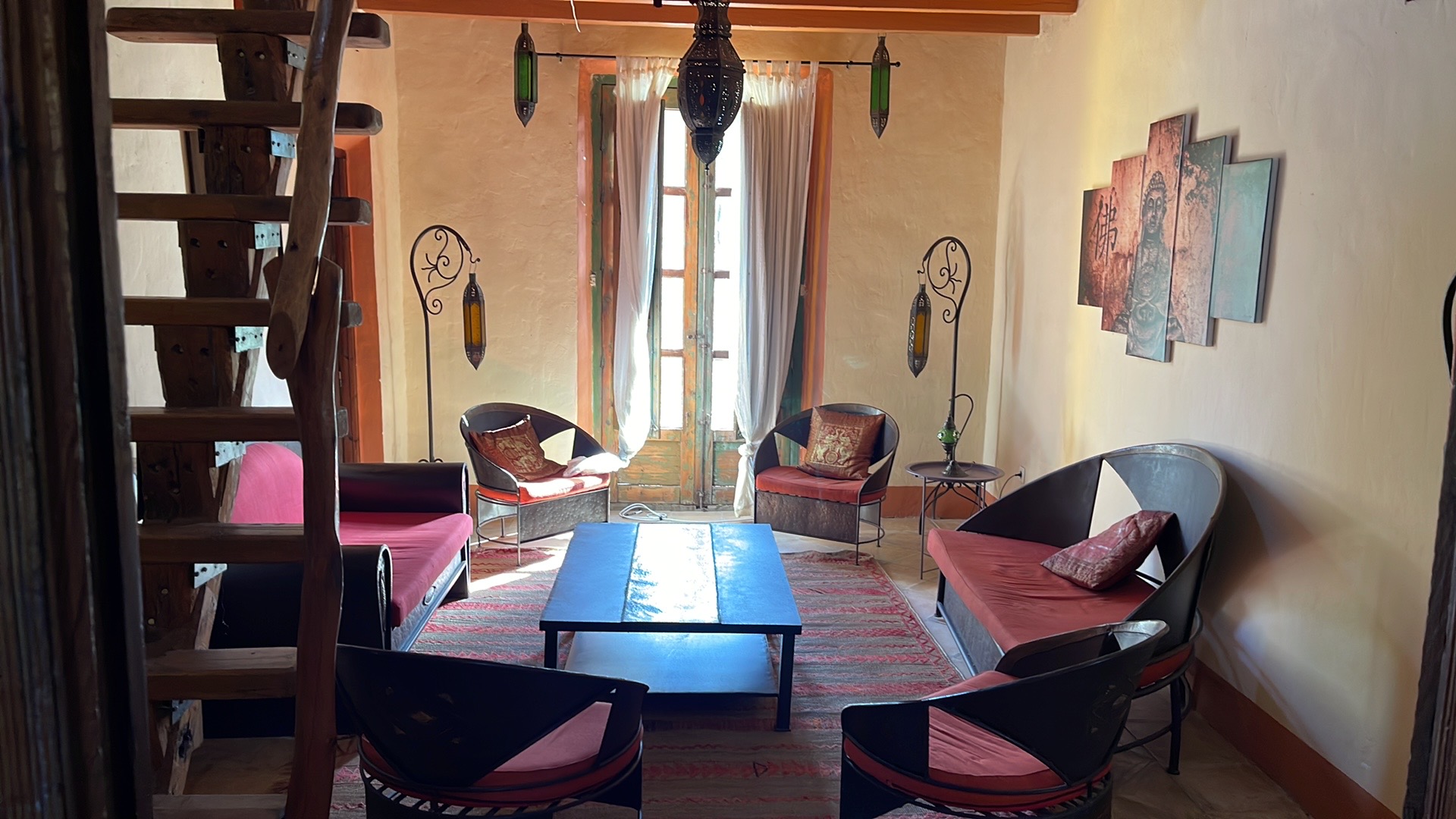
Oasis Al Hamam exists because three people dedicated 26 years to vision larger than themselves. Neil Brian Williams and Esther Cuenca Guerrero arrived in 1999 with permaculture knowledge, limited resources, and enormous determination. Juan Segura joined later, bringing complementary skills and shared commitment.
Their work demonstrates what becomes possible through patient persistence, ecological literacy, community building skills, financial creativity, and willingness to adapt while maintaining core values. They’ve created not just place but model—replicable in principle if not in exact detail.
Visiting Oasis Al Hamam
How to Experience This Place
Options for Visiting:
- Eco-Camping: Stay a few days, experience daily rhythms, join Darshan, help in gardens
- Retreats: Join scheduled yoga, meditation, or wellness retreats
- PDC Course: Intensive permaculture education with accommodation included
- Workshops: Weekend or week-long focused skill development
- Volunteering: ESC (2-12 months), WWOOF (1+ weeks), work exchange
- Day Visits: Possible by arrangement for educational groups
Practical Information
- Getting There: 45 minutes from Almería city, public transport limited, carpooling encouraged
- What to Bring: Camping gear if camping, work clothes, sun protection, water bottle, open mind
- Language: Spanish and English primary languages, many other languages present
- Food: Mostly vegetarian/vegan, garden-sourced, communal meals
- Internet: Limited WiFi—digital detox opportunity!
- Booking: Through website, advance arrangement required
What Makes Oasis Al Hamam Special
Beyond Eco-Tourism: A Living Model
Many places call themselves eco-centers. Fewer truly embody regenerative principles in daily practice. Oasis Al Hamam succeeds because:
| Principle | How It’s Lived |
|---|---|
| Integration | Animals, gardens, water, people, education—all interconnected systems, not isolated elements |
| Authenticity | Real working farm, not sanitized display. Challenges visible alongside successes |
| Accessibility | Multiple price points, volunteering options, children welcome, diverse languages |
| Education | Everything teaches—gardens, animals, water systems, community dynamics, daily Darshan |
| Time Depth | 26 years of continuous development—mature systems, evolved practices, wisdom earned |
Final Thoughts: Seeds for the Future
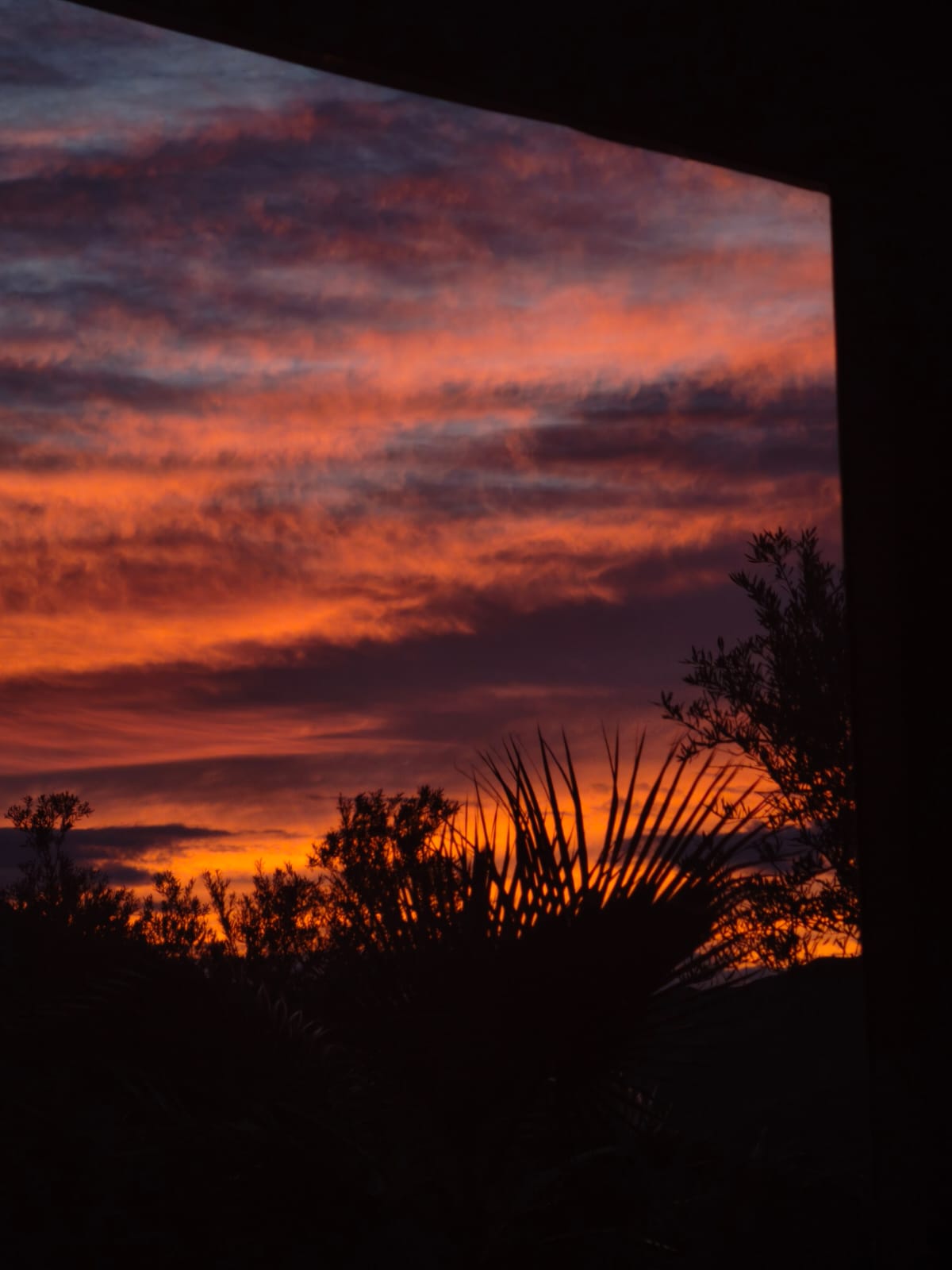
Oasis Al Hamam proves something essential: regenerative living is possible even in harsh conditions. In Europe’s driest region, where water scarcity and climate extremes test every system, a thriving community demonstrates alternatives to extractive models.
The 4,000 children who visit annually leave with different understanding of where food comes from, how to care for animals, and what community can mean. The volunteers return to their countries carrying seeds—literal seeds for gardens, and metaphorical seeds for different ways of living. The retreat participants experience what slowing down feels like, what community meals offer, how traditional healing practices connect us to place.
Every morning’s Darshan ripples outward. Every tree planted will shade future generations. Every child who feeds chickens learns responsibility. Every volunteer who builds with earth carries that knowledge home. Every retreat participant who soaks in the Hamam connects to healing traditions stretching back centuries.
This is how transformation happens—not through grand proclamations but through patient demonstration, not through perfect systems but through honest efforts, not through isolation but through welcoming whoever arrives with open hearts and willingness to contribute.
📸 Photo Collage 32: The Future – Young Plants, Children Learning, Next Generation, Continuity
[Space for 4-photo collage]
“In the end, regeneration is not something we do to the land—it’s something we do with the land, in community, over time, with patience and love.”
Come Visit Oasis Al Hamam
Website: oasisalhamam.com
Location: Cortijo los Baños, Lucainena de las Torres, 04200 Almería, Spain
Contact: Through website for bookings, volunteering, information
Open to: Campers, retreat participants, volunteers, workshop students, school groups
Whether you come for a night in the tree house, a week of volunteering, a yoga retreat, or a permaculture course—the land, the animals, the community, and the morning Darshan await.
Oasis Al Hamam | Founded 1999 | 26 Years of Regenerative Community
Sierra Alhamilla, Almería, Spain
Where Every Morning Begins with Intention, Every Day Serves the Land